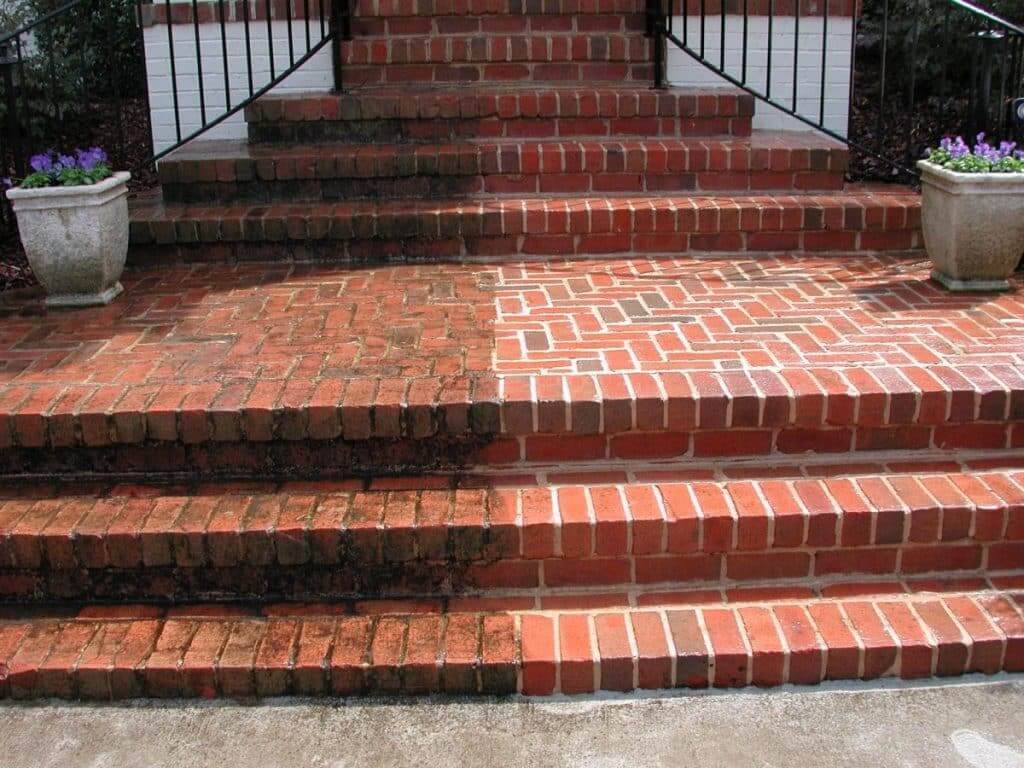
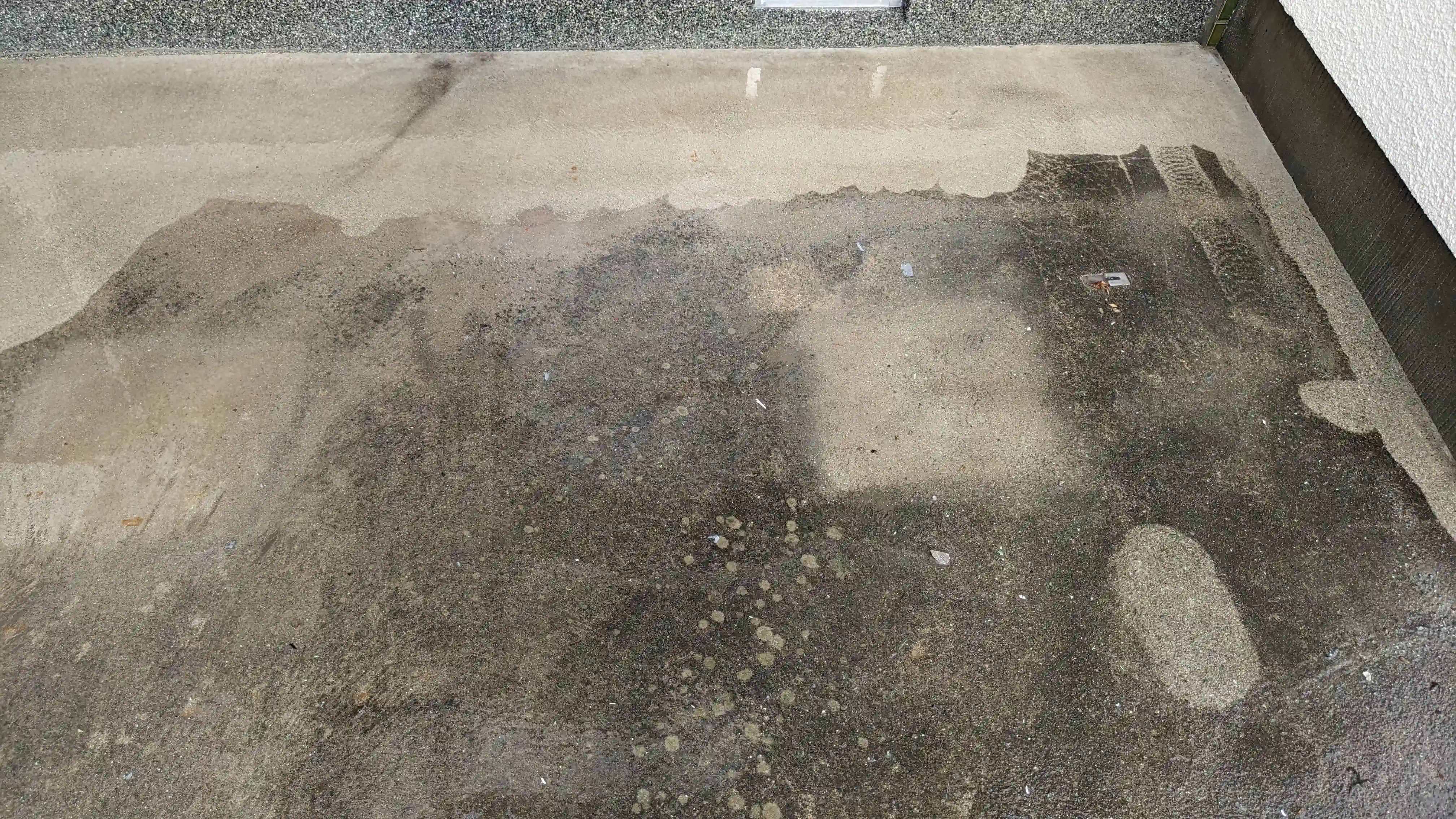
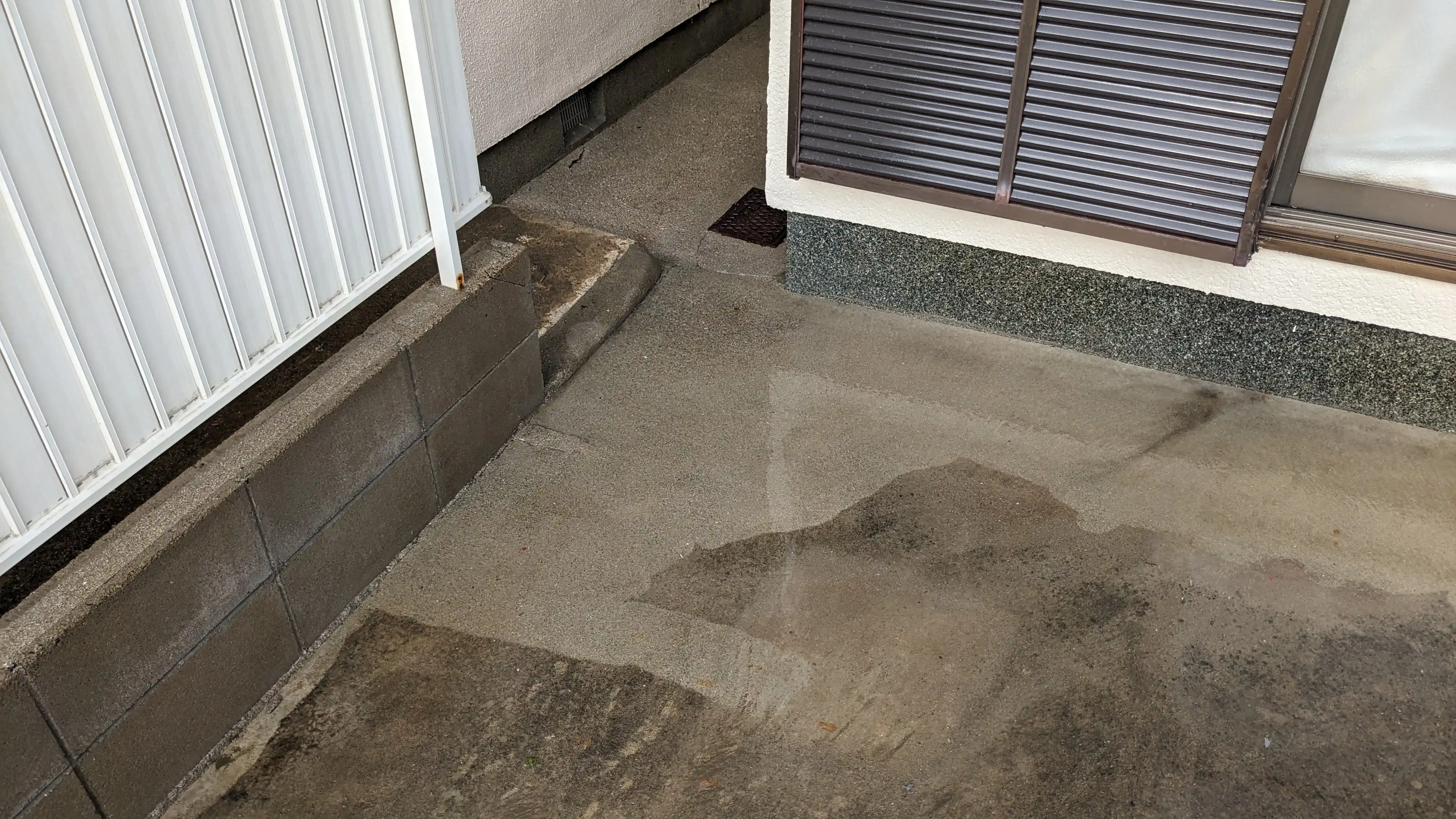
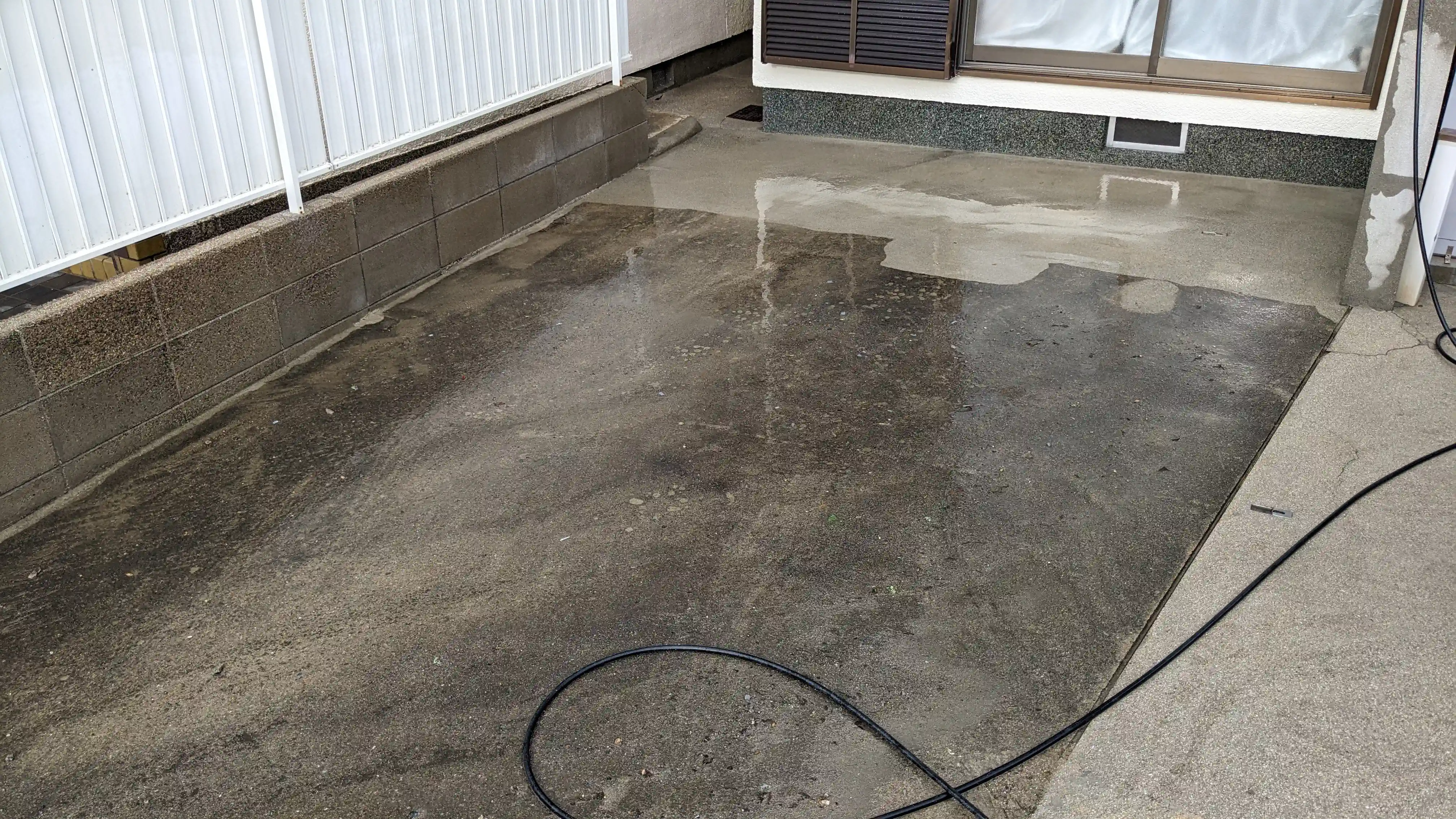
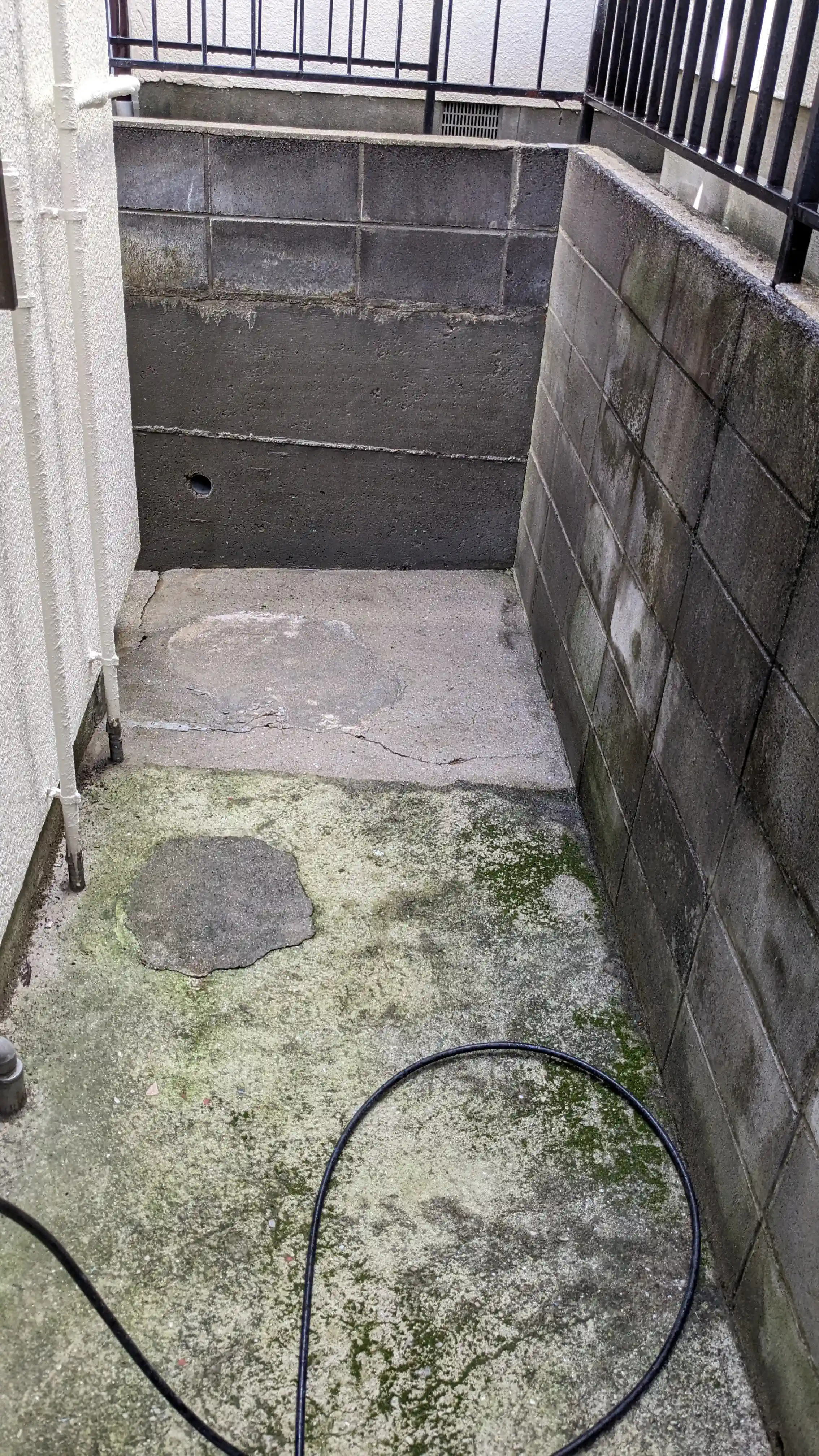
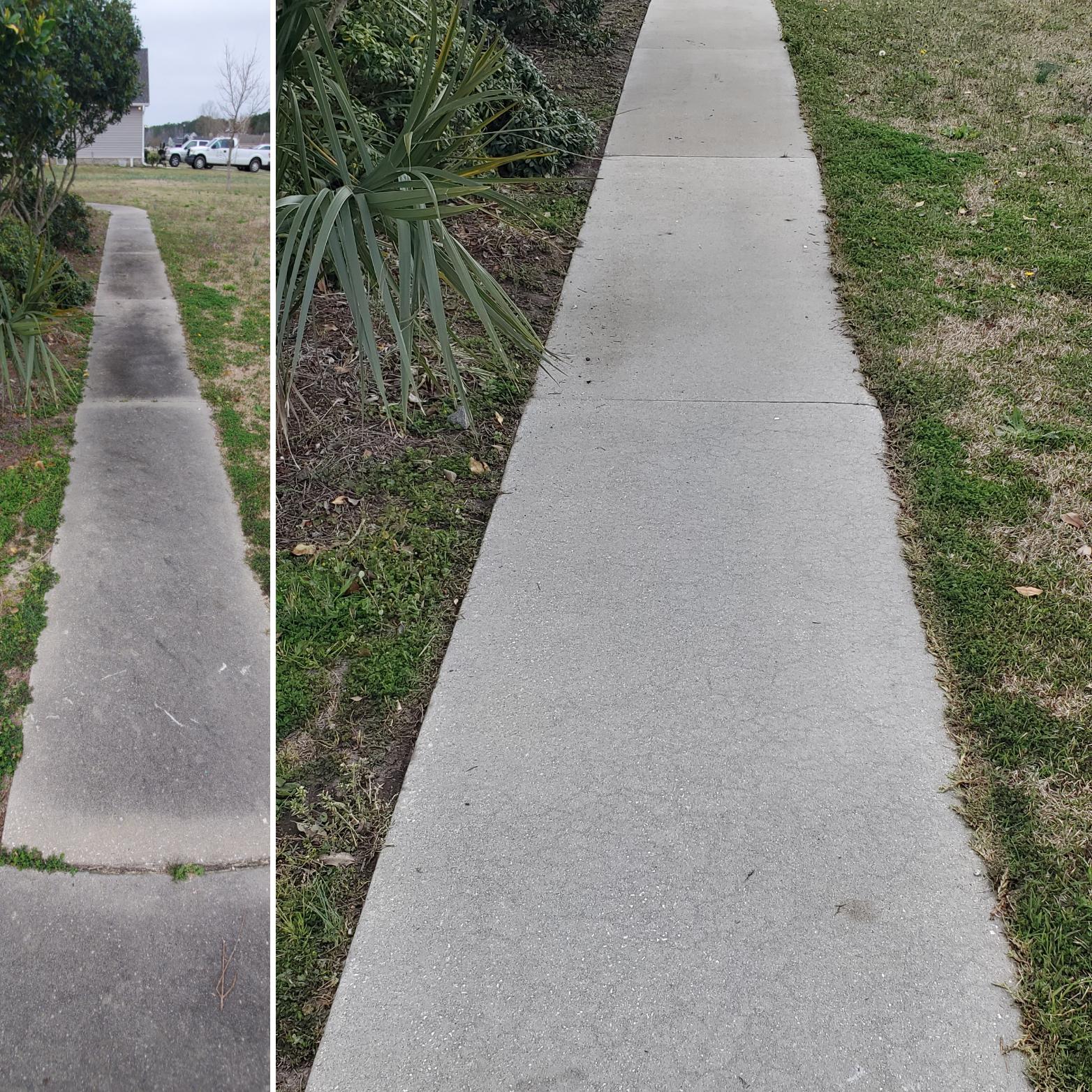
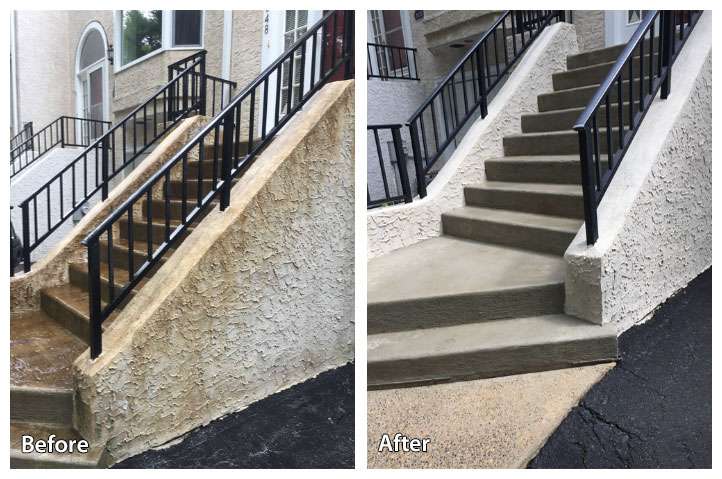
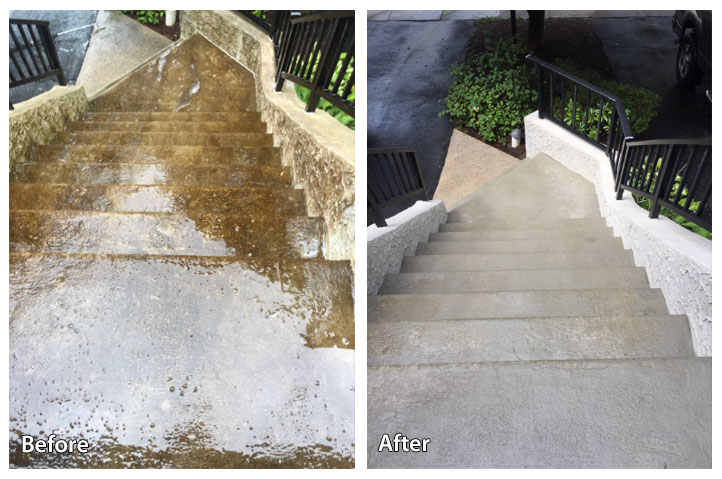
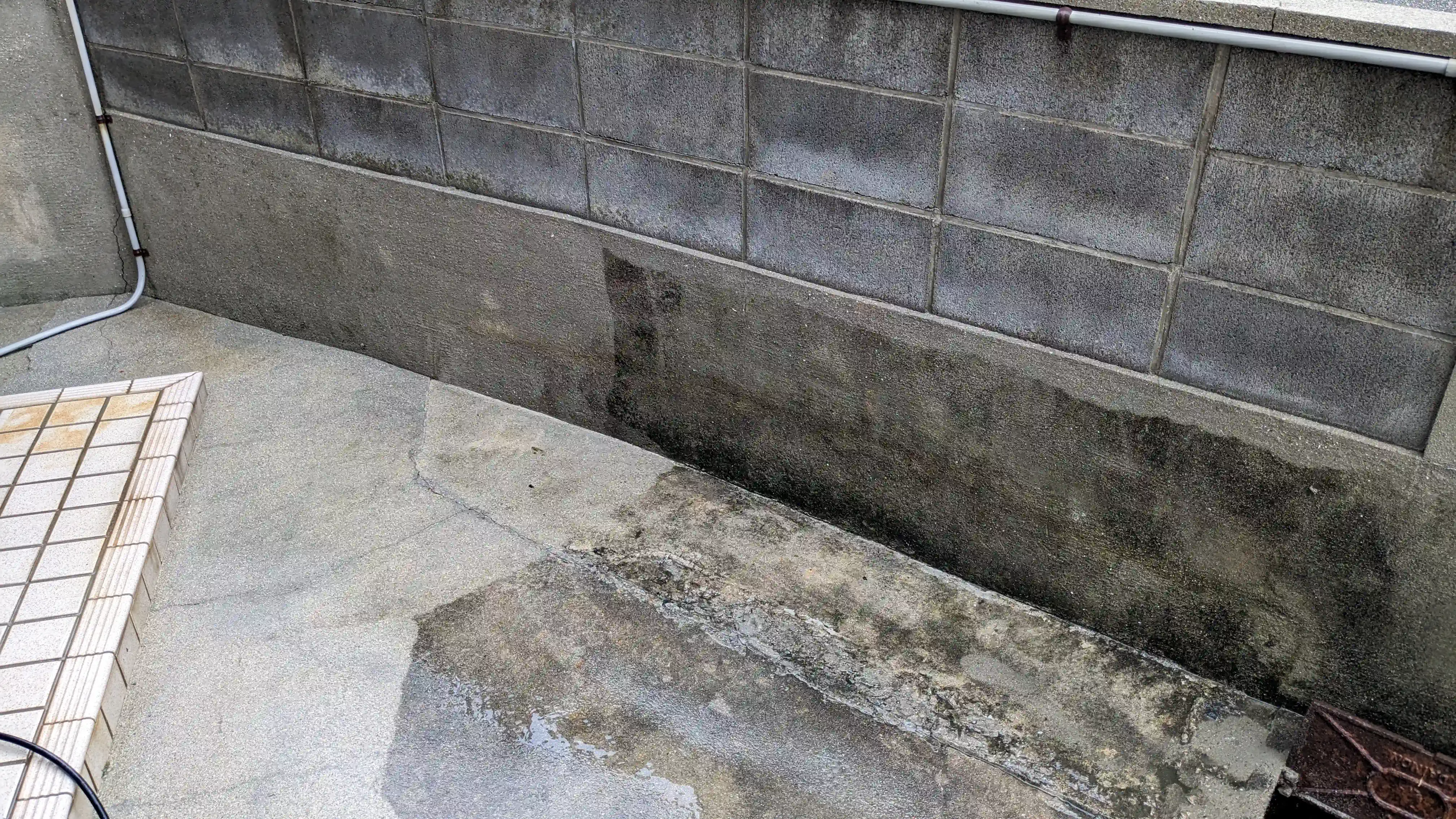
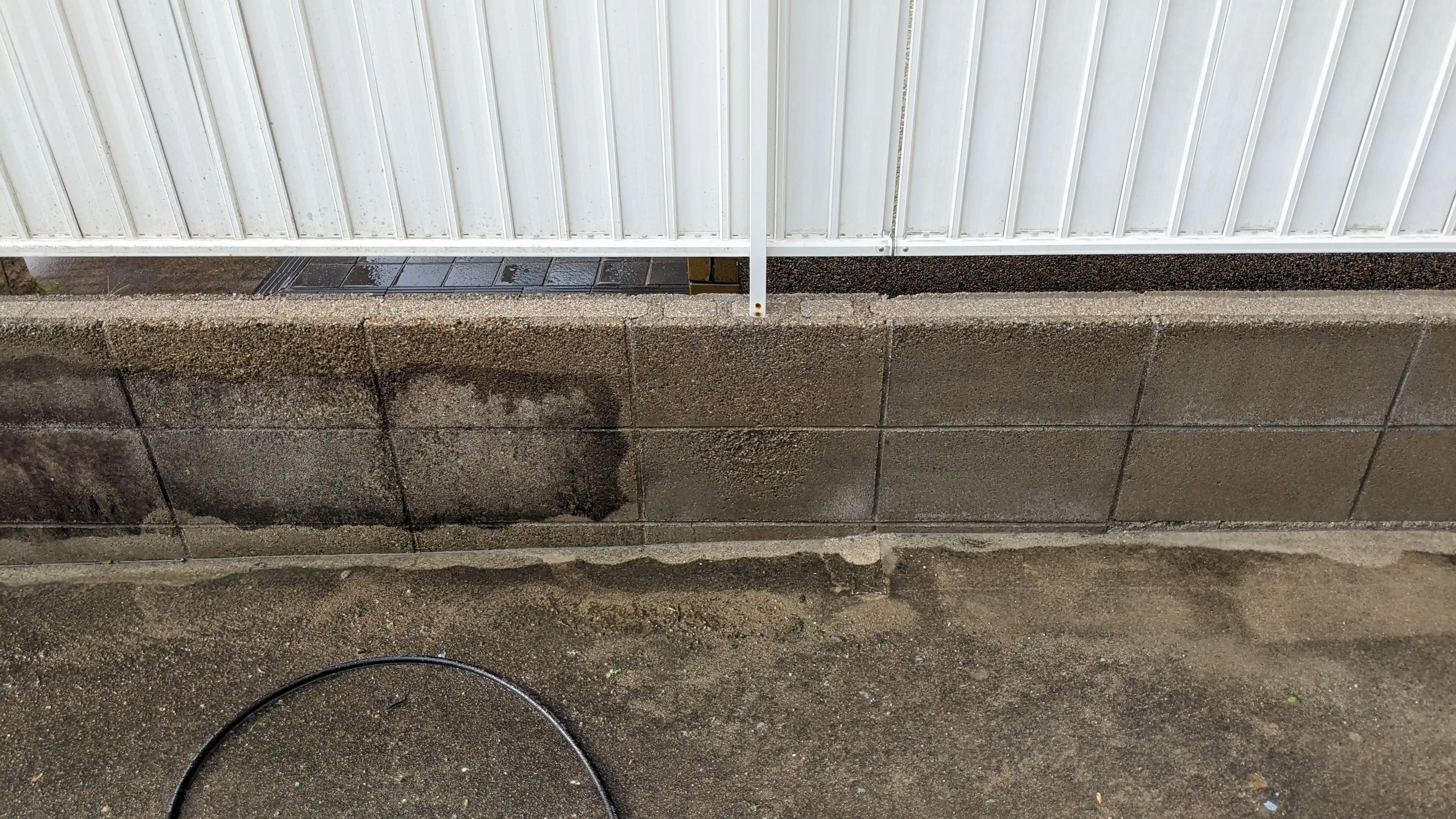
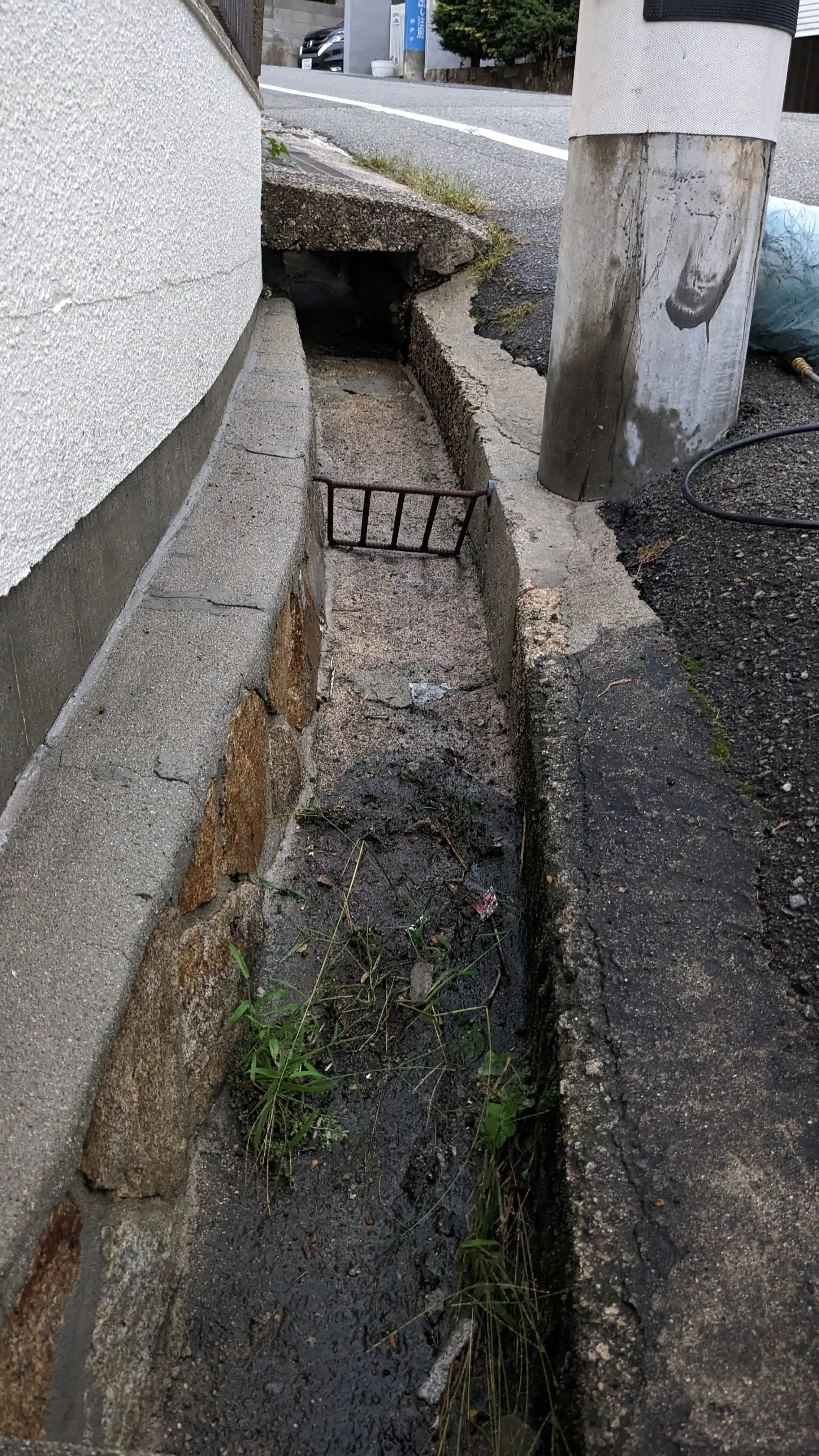
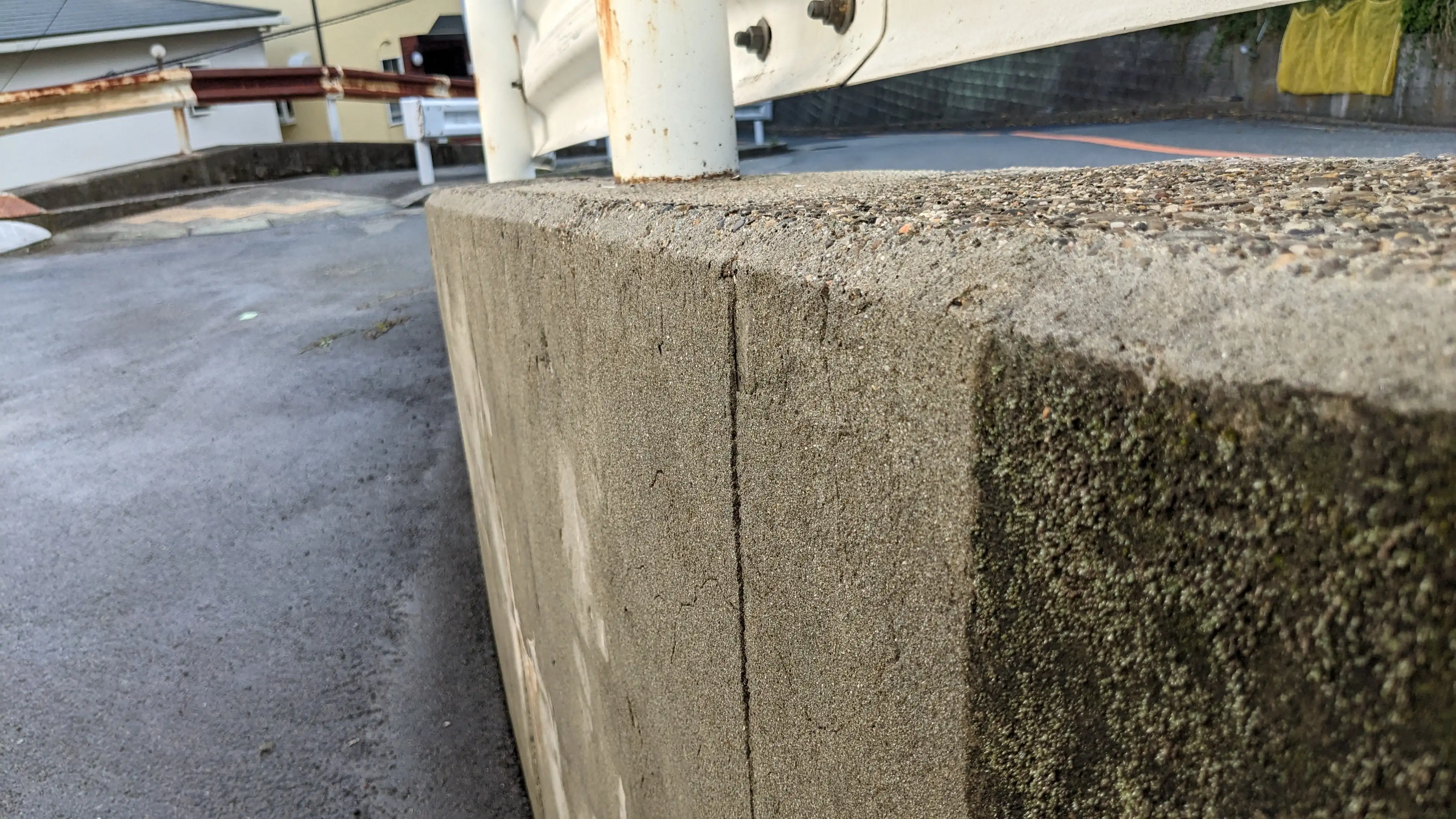
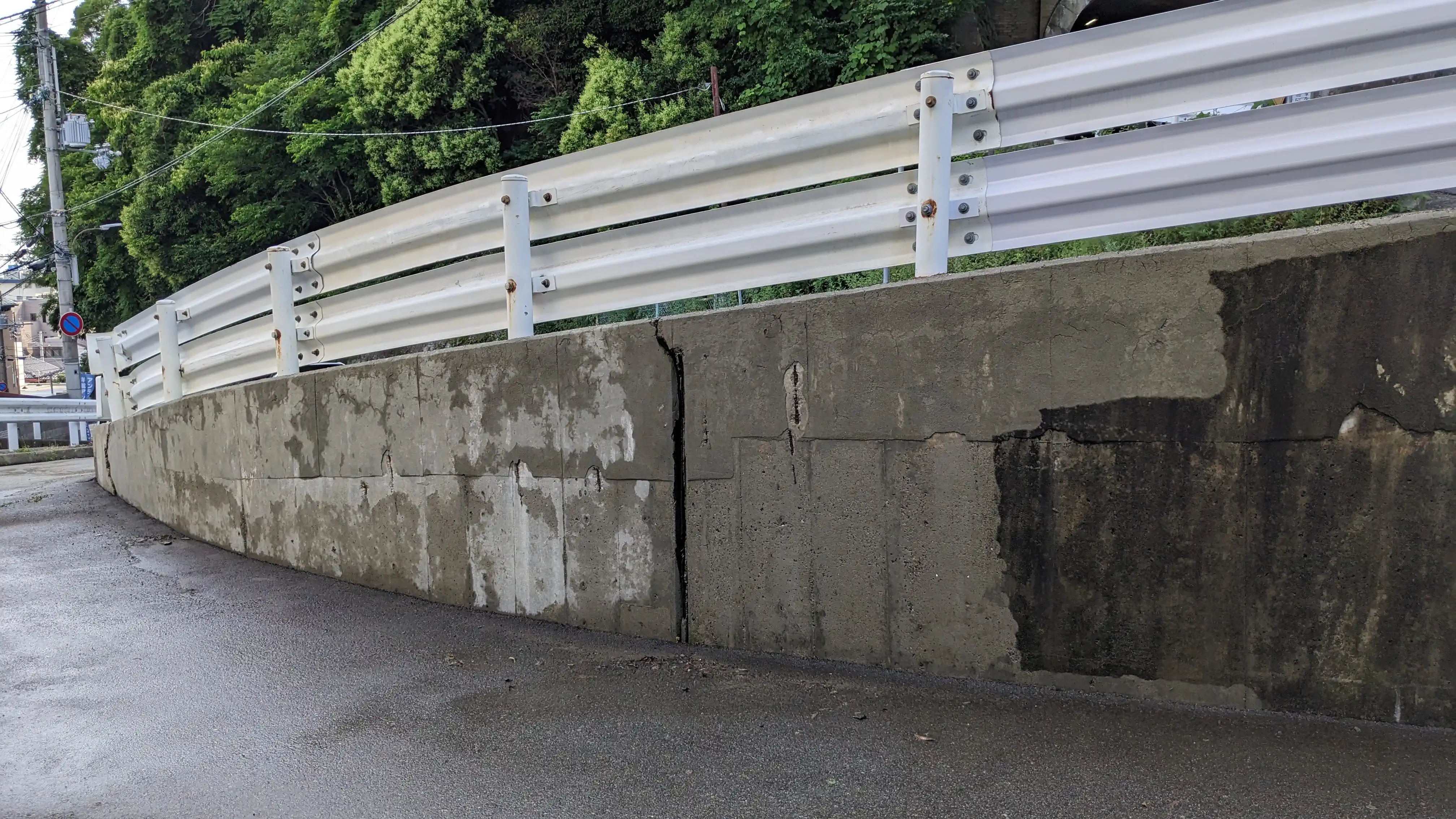
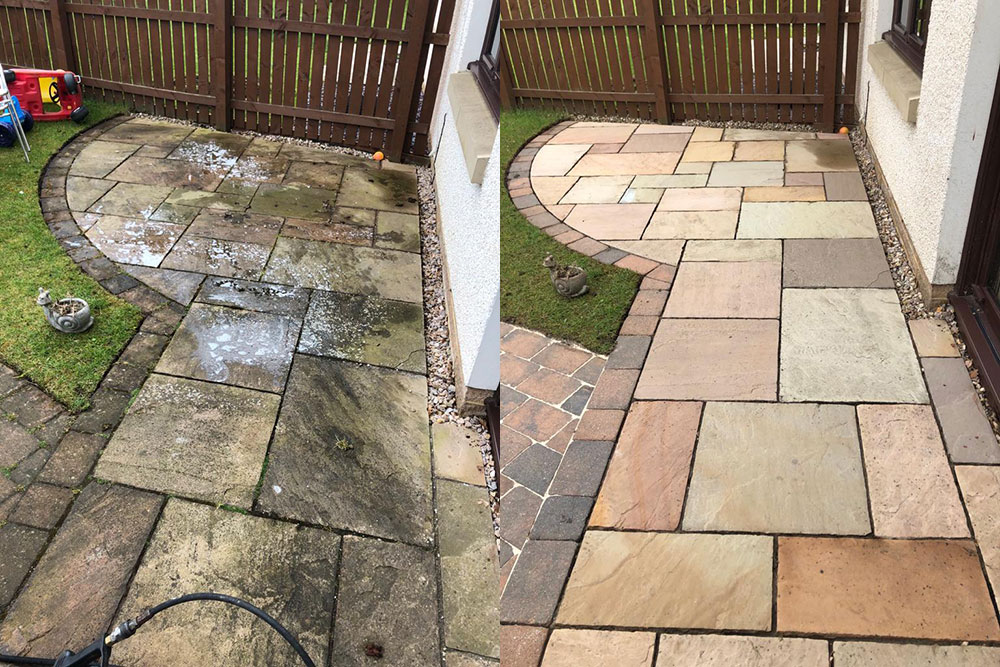
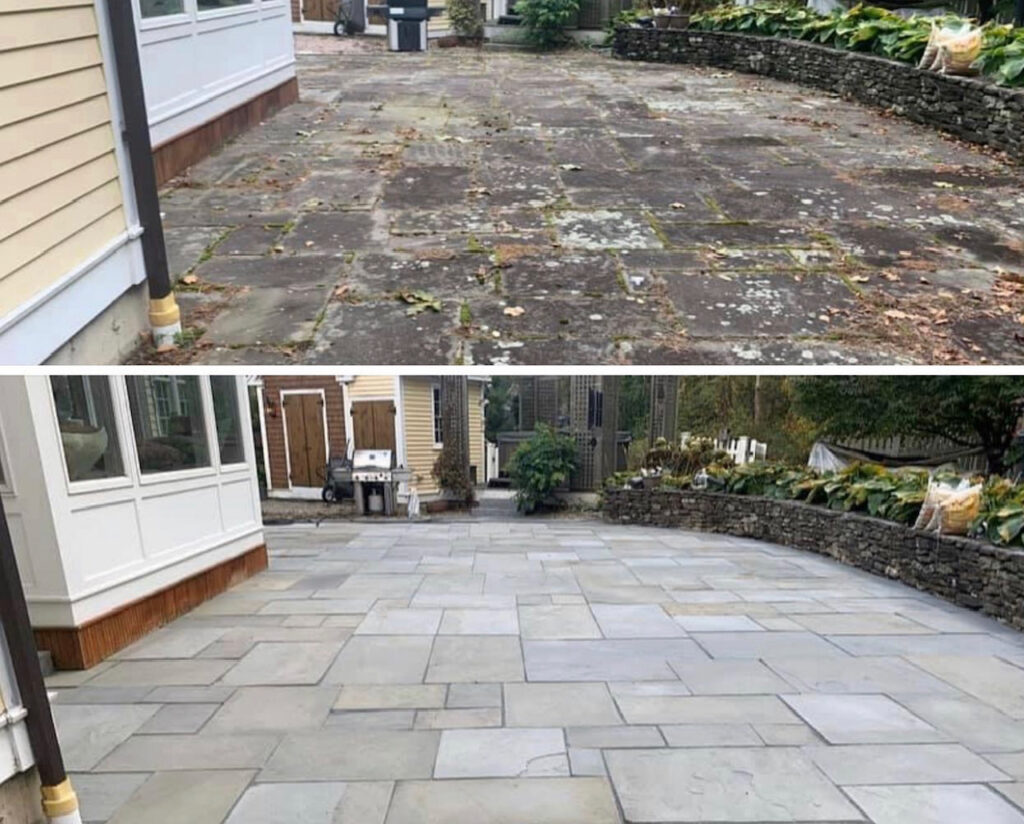
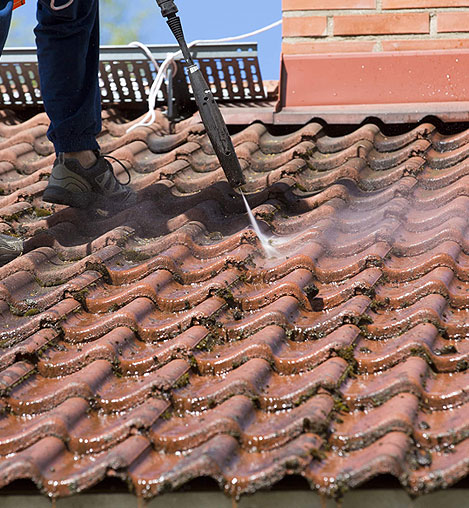
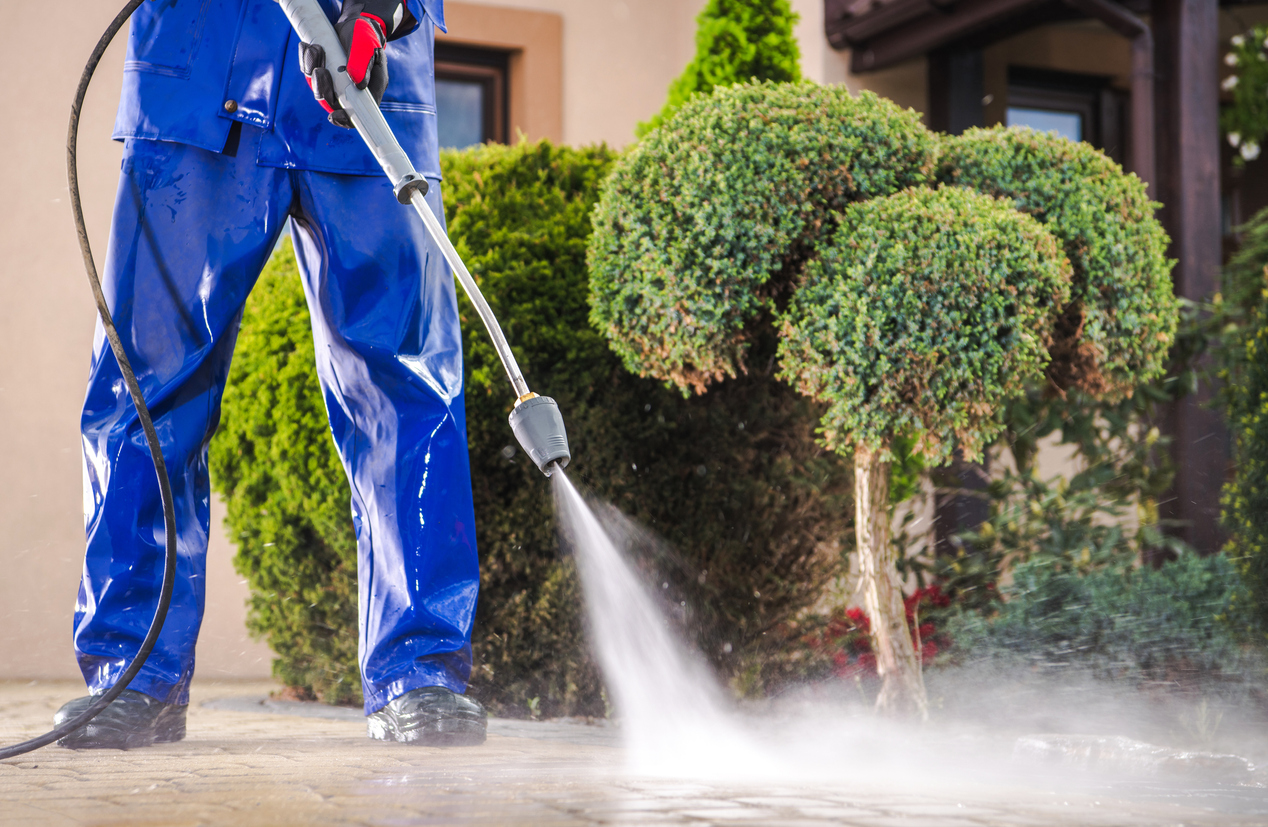
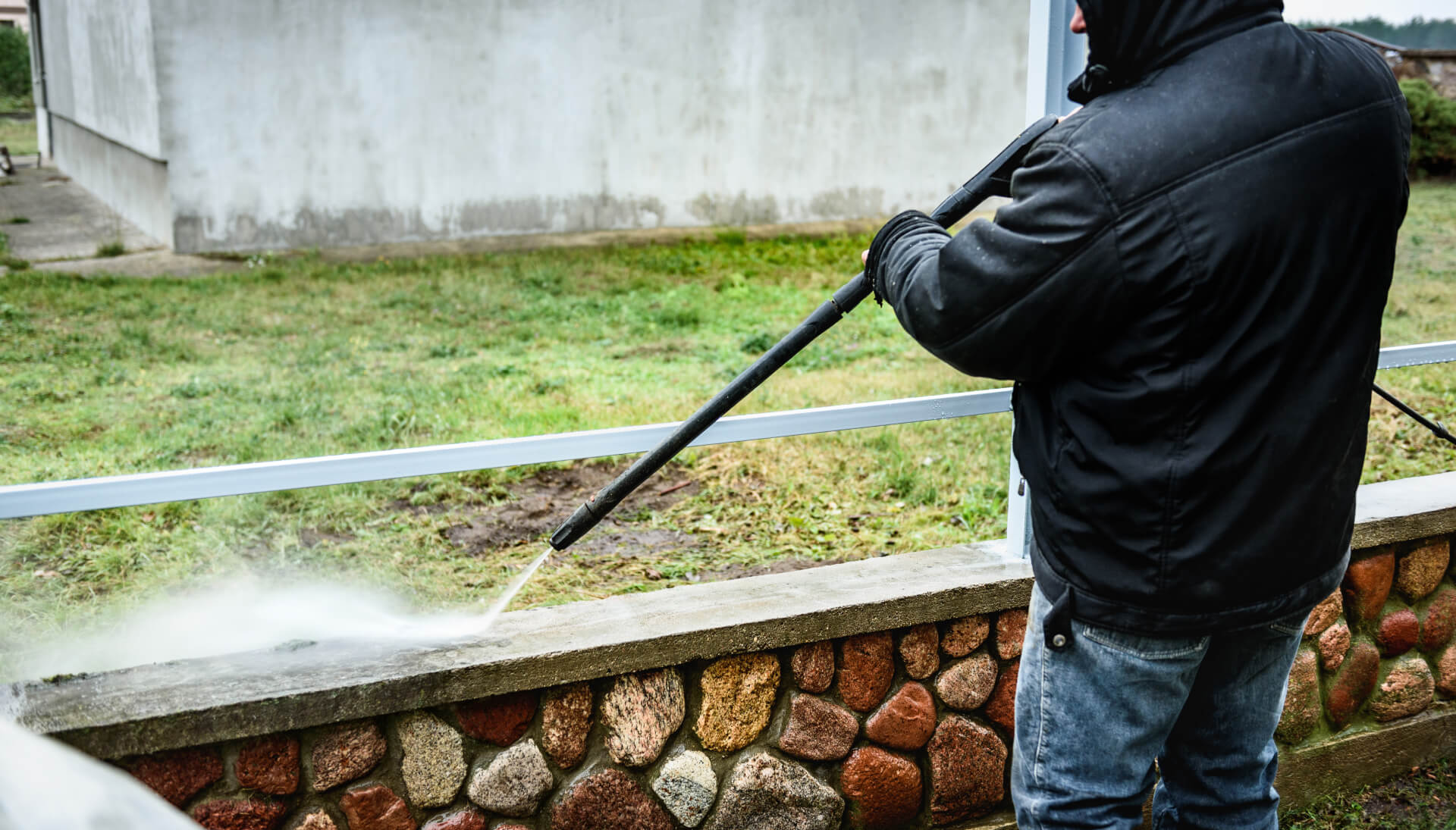
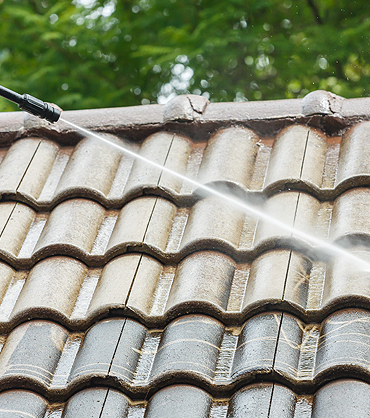
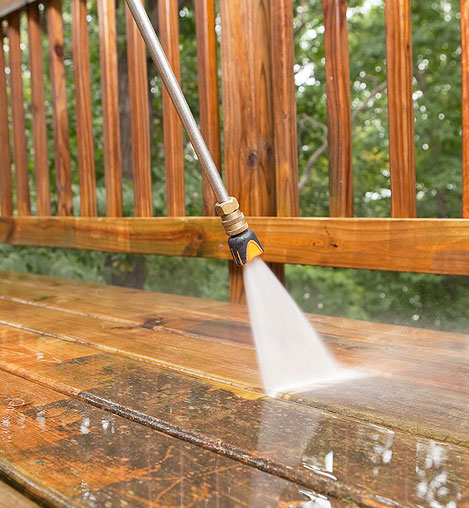
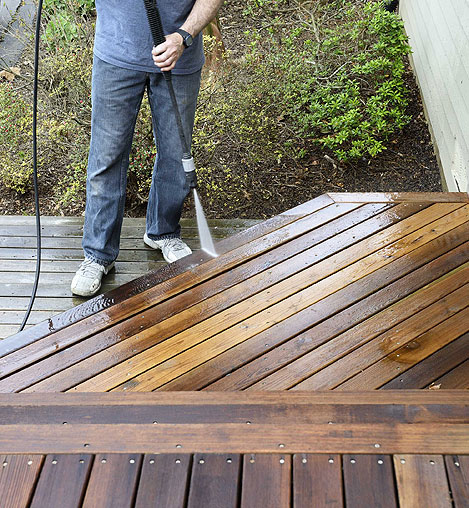
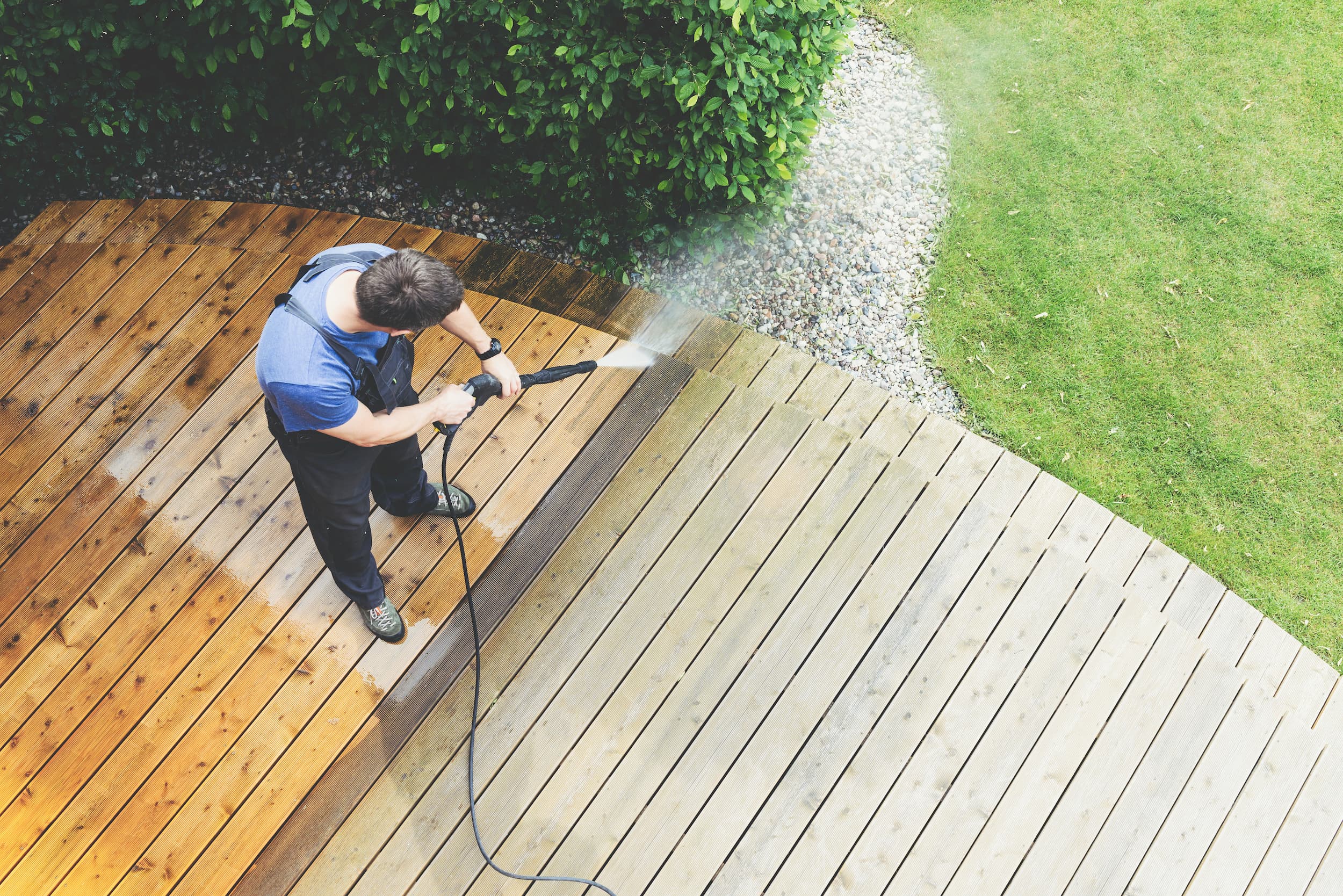
Wood Restoration to Bring Back Natural Color & Texture

Revive weathered wood and restore its natural appearance with controlled cleaning methods that help reduce discoloration and fading.

Why Professional Pressure Washing Matters

Many property owners don't realize how much dirt, mold, algae, and pollution accumulates on exterior surfaces over time. These contaminants aren't just unsightly they actively damage your property by breaking down the surface and create health and safety hazards. Regular professional cleaning isn't a luxury; it's essential maintenance that protects your investment.

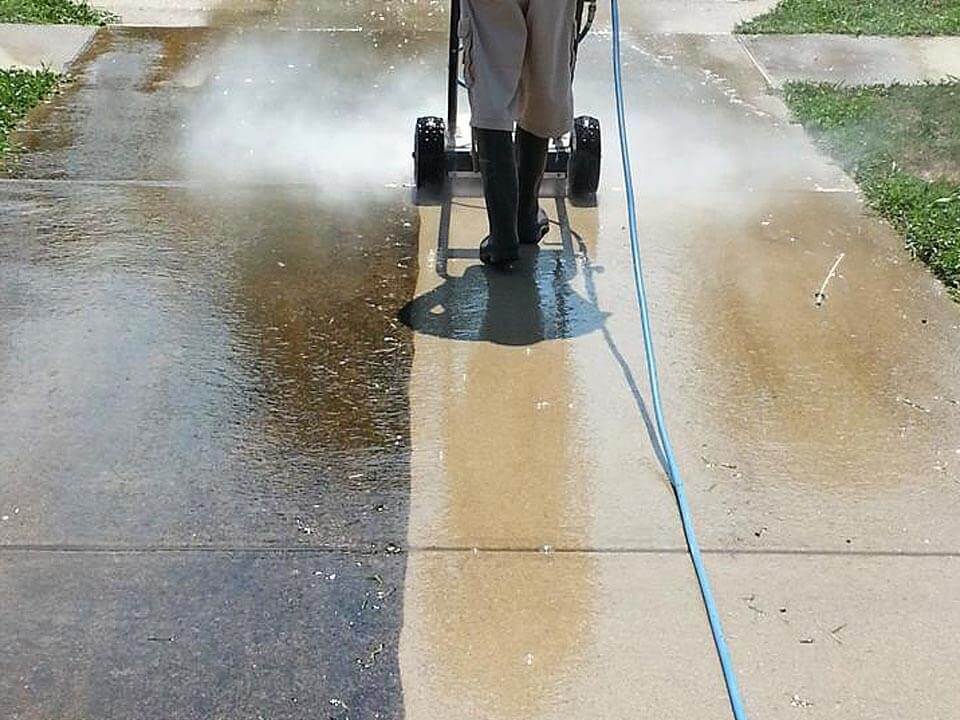
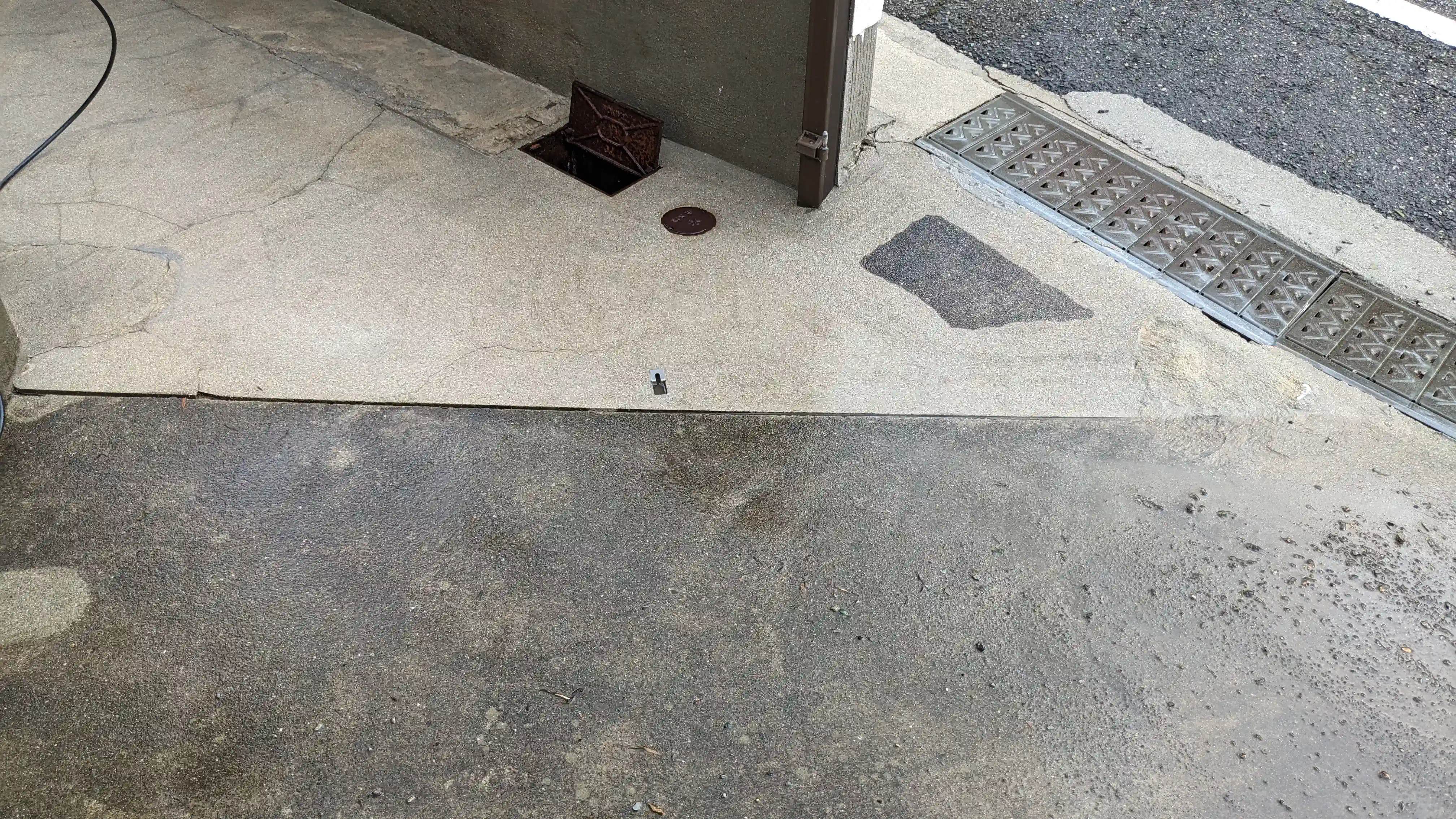
We use pressure washing equipment and techniques that are far more effective than DIY methods. Our professional grade equipment removes deeply embedded dirt without damaging surfaces, and we know exactly how to handle different materials from delicate tiles to tough concrete.

Property Value & Curb Appeal Restoration

First impressions matter whether you're selling your home, welcoming guests, or attracting customers to your business. Dirty, stained exteriors send a message of neglect that affects perceived value. Clean surfaces, on the other hand, communicate care, quality, and attention to detail.

Real estate professionals consistently report that properties with clean exteriors sell faster and for higher prices. The investment in professional cleaning often pays for itself many times over in increased property value. Even if you're not selling, clean surroundings simply feel better to live and work in.

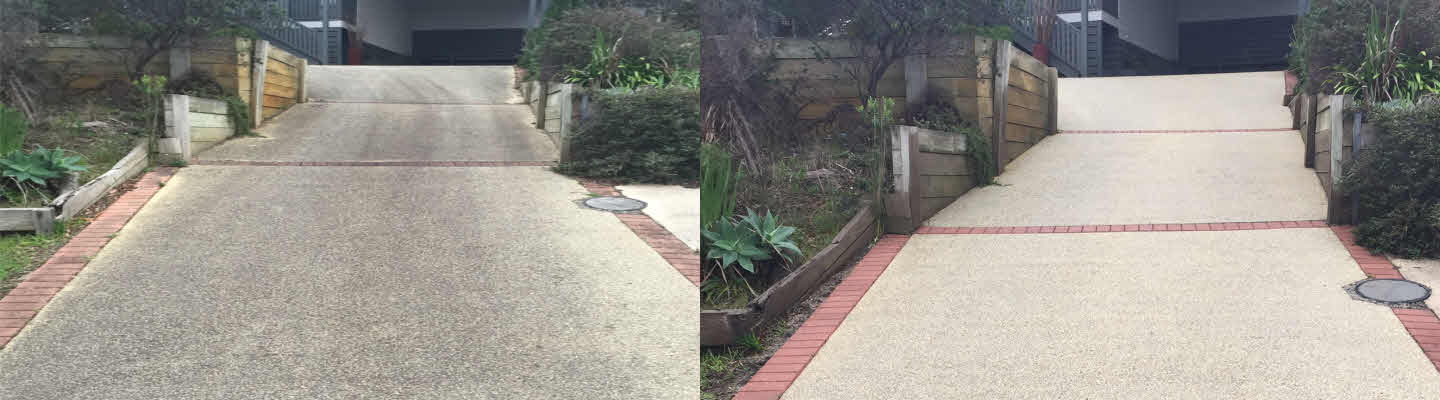
The benefits are immediate and long-lasting. You'll see dramatic visual improvement within hours of our service, not days or weeks. More importantly, regular cleaning protects your surfaces from deterioration that leads to costly repairs down the road. By maintaining your property, you're also contributing to a cleaner, more attractive community that benefits everyone in the neighborhood.

Health & Environmental Benefits

Mold, mildew, and algae aren't just ugly they can cause or exacerbate respiratory problems, allergies, and other health issues. These microorganisms release spores into the air that can be inhaled, potentially causing:

  • Allergic reactions and asthma attacks
  • Respiratory infections and breathing difficulties
  • Skin irritation and rashes
  • General discomfort and reduced quality of life

For families with children, elderly members, or anyone with respiratory conditions, removing these contaminants is especially important. Our water-only cleaning approach (no harsh chemicals) means we eliminate health hazards without introducing new ones.

We also help the environment by preventing the need for chemical cleaners and by extending the life of surfaces (reducing construction waste). Clean surfaces require less maintenance and fewer resources over their lifespan.

Safety Benefits

Slippery surfaces are one of the most common causes of accidents around homes and businesses. Moss, algae, and black mold create dangerously slick conditions, especially in shaded areas or after rain. When these surfaces get wet, they become as slippery as ice. This is particularly dangerous on:

  • Entrance steps and walkways where people walk daily
  • Balconies and patios where people relax and children play
  • Driveways and parking areas where people get in and out of vehicles
  • Pool decks and recreational areas

Professional pressure washing removes these slippery contaminants completely, restoring safe traction to walking surfaces. For businesses, this reduces liability risks. For families, it prevents painful falls and injuries.

Energy Efficiency & Cost Savings

This is something most people never consider: clean surfaces can actually save you money on electricity bills. Here's how it works:

Dark, dirty surfaces absorb sunlight and heat up significantly. When concrete, asphalt, or dark tiles get hot, they radiate that heat into the surrounding air. If your air conditioner's condenser unit is located near these hot surfaces (as most are), it has to work much harder to cool your home or building.

The Science Behind It

Clean, light-colored surfaces reflect sunlight instead of absorbing it. This can reduce surface temperatures by 20-30°F (11-17°C). When your AC condenser isn't surrounded by hot air from heated surfaces, it operates 10-15% more efficiently. Over a hot summer, this can translate to significant savings on your electricity bill.

This effect is especially noticeable in Japan's humid summers. By keeping the areas around your AC units clean and light-colored, you're not just improving appearance you're making a smart financial decision that pays back year after year.

Commercial & Business Pressure Washing Services

Professional cleaning solutions specifically designed for businesses, apartment complexes, retail stores, offices, and commercial facilities throughout Kobe and Hyogo Prefecture.

Why Commercial Properties Need Specialized Cleaning

Commercial and business properties face unique challenges that residential properties don't. Higher foot traffic, vehicle traffic, regulatory requirements, and the need to maintain professional appearances all demand a different approach to cleaning. What works for a home driveway often isn't sufficient for a busy retail parking lot or apartment complex.

We understand these commercial realities. Our commercial cleaning services are designed specifically for business environments, with scheduling flexibility, customized approaches for different facility types, and documentation that meets business requirements.

We work with property managers, facility directors, business owners, and maintenance teams to develop cleaning plans that minimize disruption while maximizing results. Whether you need one time deep cleaning or regular maintenance schedules, we adapt to your operational needs.

Energy Efficiency & Operational Cost Savings for Commercial Properties

This is where commercial cleaning delivers measurable financial returns beyond just appearance: clean surfaces significantly reduce cooling costs for commercial buildings.

Commercial buildings have extensive paved areas parking lots, walkways, plazas that absorb heat when dirty and dark. This "heat island effect" raises ambient temperatures around buildings, forcing HVAC systems to work harder. Clean, light colored surfaces reflect sunlight instead of absorbing it, reducing this effect.

For large commercial properties, the savings can be substantial. A typical office building might see 10-15% reduction in cooling costs during peak summer months. Shopping centers with extensive parking areas can achieve even greater savings. The return on investment from energy savings alone often justifies regular cleaning programs.

Tangible Business Benefits of Professional Cleaning

Clean commercial properties aren't just about appearance they directly impact your bottom line in multiple ways:

Customer Perception & Revenue

Clean exteriors create positive first impressions that influence purchasing decisions and customer loyalty.

Employee Morale & Productivity

Employees take pride in clean workplaces, leading to better morale and increased productivity.

Tenant Satisfaction & Retention

For rental properties, clean common areas reduce tenant complaints and improve retention rates.

Brand Image & Reputation

A clean property communicates professionalism, attention to detail, and respect for customers.

Competitive Advantage

In competitive markets, a well maintained property can be the deciding factor for customers.

Asset Protection

Regular cleaning extends the life of expensive surfaces and reduces long term maintenance costs.

Studies consistently show that customers are willing to pay more and return more frequently to businesses with clean, well maintained exteriors. In retail environments, this can translate directly to increased sales. In office settings, it affects which companies top talent wants to work for. For apartment complexes, it determines whether tenants renew their leases.

Types of Commercial Clients We Serve

Commercial cleaning services are tailored to meet the specific needs of different types of businesses and facilities:

Retail Stores & Shopping Centers

Entrances, sidewalks, parking lots, and common areas that customers see first.

Restaurants & Food Service

Outdoor dining areas, entryways, and grease-prone surfaces that require special attention.

Apartment & Condominium Complexes

Shared corridors, stairs, entrances, parking areas, and common facilities.

Office Buildings & Corporate Campuses

Professional exteriors that reflect corporate image and values.

Medical & Healthcare Facilities

Sanitary exterior environments that meet healthcare standards and reassure patients.

Educational Institutions

Schools, universities, and athletic facilities where safety and appearance matter.

Industrial & Manufacturing Facilities

Parking lots, loading docks, and exterior maintenance for operational efficiency.

Hotels & Hospitality

First impressions that affect guest satisfaction and online reviews.

Government & Municipal Buildings

Public facilities that need to demonstrate responsible use of taxpayer funds.

Each type of facility has unique requirements, schedules, and challenges. We address these specific needs while working within your operational constraints and budget parameters.

Parking / Driveway Concrete
Parking & Driveway Cleaning

Concrete & Parking Surfaces

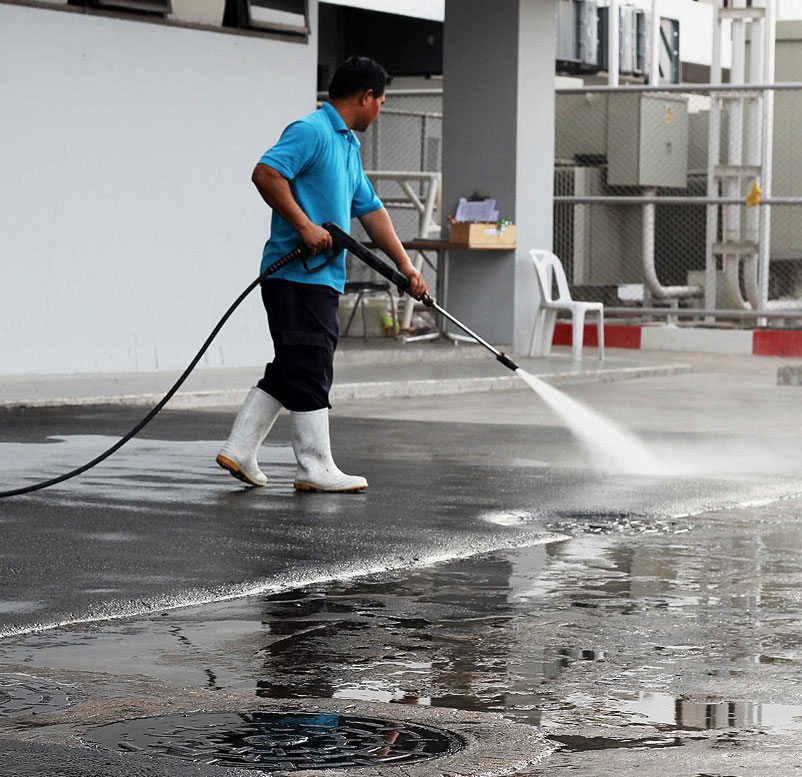
Ideal for driveways, garage entrances, parking pads, and concrete surfaces with oil, dirt, and seasonal buildup.

High-pressure concrete washing
Oil stain and tire mark reduction
Residential and light commercial options
Starting at
¥12,000
Small driveway / entry-sized area
Included: 10㎡
Additional ㎡: 1,070円
Base Fee (Included in above price): 5,000円
Get Quote
Entrance / Walkway / Stairs
Entrance, Walkway & Stairs

Tile, Pavers & Access Paths

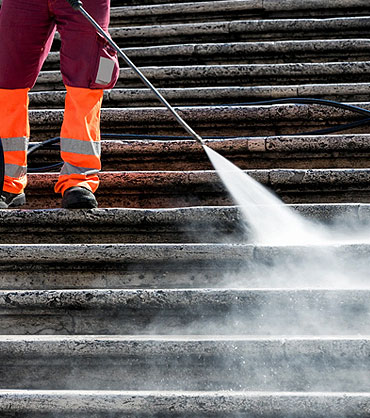
A strong fit for entry paths, tiled approaches, steps, and safety-critical walking surfaces that need brighter, cleaner presentation.

Tile and stone-safe surface cleaning
Slip-risk reduction on steps
Paver joint cleanup and edge detailing
Starting at
¥10,000
Standard walkway and stair set
Included: 10㎡
Additional ㎡: 650円
Base Fee (Included in above price): 5,000円
Get Quote
Exterior Wall Cleaning

Walls, Facades & Masonry

For home exteriors, facade surfaces, siding, and masonry that need a brighter finish without harsh treatment.

Pressure-cleaning approach tailored to wall surfaces
Dirt, algae, and surface film removal
Suitable for residential and mixed-use buildings
Starting at
¥15,000
One wall-face style reference
Included: 10㎡
Additional ㎡: 980円
Base Fee (Included in above price): 5,000円
Get Quote
Balcony Cleaning
Balcony Cleaning

Balcony Floors & Railings

Ideal for balconies and compact upper-level exterior spaces where dust, blackening, and grime affect everyday appearance.

Balcony floor and railing washdown
Dust, blackening, and surface grime removal
Compact-area pricing for easy booking
Starting at
¥13,000
Typical balcony package
Included: 10㎡
Additional ㎡: 440円
Base Fee (Included in above price): 5,000円
Get Quote
Exterior Structures Cleaning

Fences, Gutters & Stonework

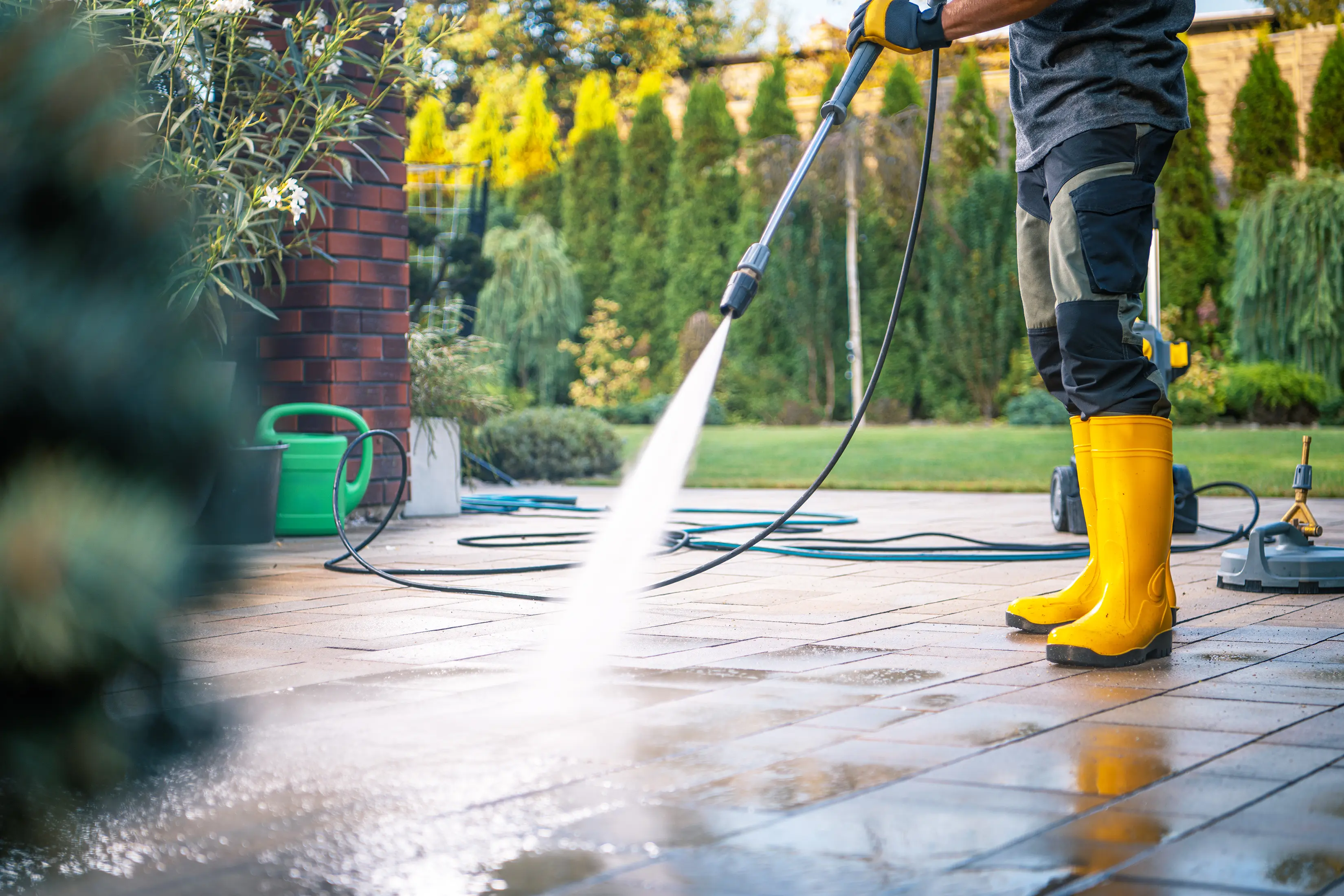
Designed for the surrounding elements that complete curb appeal, including fences, decorative stone, and gutter exteriors.

Fence panel and gate cleaning
Stone, brick, and hardscape detailing
Bundle pricing for multiple exterior elements
Starting at
¥11,000
Single-feature exterior structure service
Included: 10㎡
Additional ㎡: 550円
Base Fee (Included in above price): 5,000円
Get Quote
Commercial / Facility Cleaning
Commercial & Facility Cleaning

Business & Multi-Site Service

Built for property managers, facilities, and commercial operators needing repeatable exterior cleaning with scalable pricing.

Site-specific service planning
Fleet, courts, equipment, and common-area options
Custom quotes for recurring contracts
Quote basis
Custom
Commercial / facility scope is usually site-assessed
Guide: area, access, frequency, and risk define pricing
Best display: photo quote or site check
Use case: shared corridors, stairs, entrances, parking areas
Get Quote

Pressure Washing FAQ, Policies & Terms

Detailed answers about quotes, water-only cleaning, roof and solar panel access, runoff control, surface risks, and MightyWash service terms.

Pressure Washing Basics
What is pressure washing, and how does it work?

Pressure washing uses controlled pressurized water to break up and remove dirt, black staining, algae, mold, moss, and surface buildup from exterior areas. MightyWash adjusts pressure, nozzle choice, distance, and rinsing method to the material and the condition of the surface rather than treating every job the same way.

What kinds of surfaces usually respond well to pressure washing?

Concrete, parking slabs, driveways, entrance tile, stairs, patios, fences, selected exterior walls, and many outdoor hard surfaces often respond well when the method matches the material.

Can you clean driveways, concrete slabs, and parking spaces?

Yes. Driveway concrete cleaning, parking area cleaning, and garage entrance washing are among the most common pressure washing requests in Kobe and similar markets.

Can you clean entrance tiles, walkways, and stairs?

Yes. Entrance tile cleaning, approach cleaning, and stair cleaning are strong fit services because they improve appearance and traction.

Can you clean patios, fences, and exterior structures?

Yes, where access and material condition allow safe cleaning. Patio cleaning, fence cleaning, and exterior structure cleaning are all within MightyWash scope.

Can you clean exterior walls?

Yes, but exterior wall cleaning depends heavily on the wall finish, age, coatings, staining pattern, and overall condition.

Can you clean roofs and solar panels?

In selected cases, yes. Roof tile cleaning and solar panel cleaning depend on access, height, overspray risk, and surface condition.

What types of dirt or staining are people usually trying to remove?

Common requests include blackening, tire marks, mud splash, moss, algae, mold, mildew, exhaust staining, rain marks, and general embedded dirt.

Can black concrete staining usually be improved?

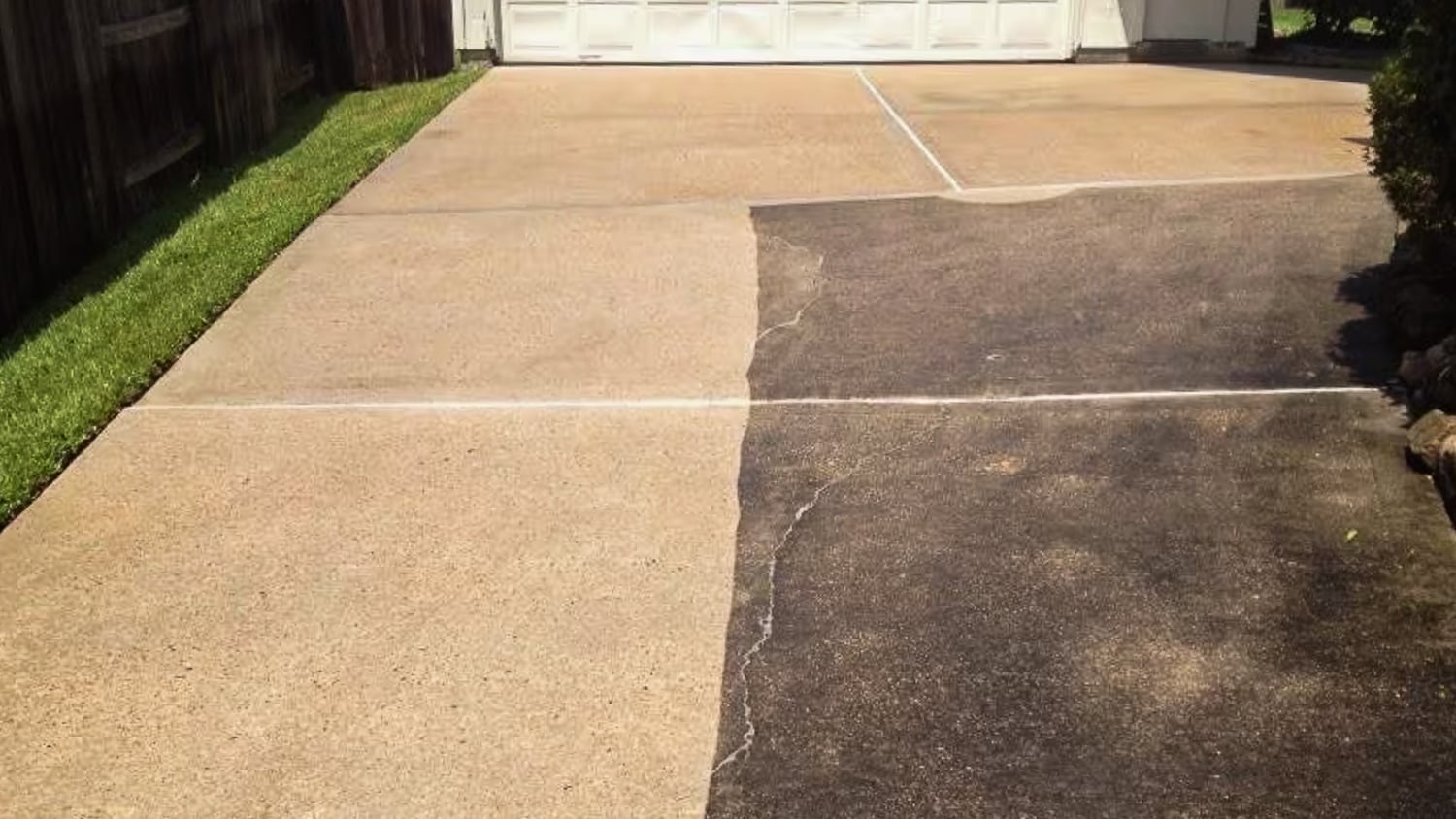
Yes, black surface buildup on driveways and concrete often responds well to professional washing.

Can moss and algae be removed?

Yes. Moss and algae are among the most common exterior cleaning issues and often improve very well with the correct washing method.

Can mold and mildew be reduced?

Yes, especially on outdoor surfaces where organic growth is sitting on the surface rather than deeply embedded into a failing material.

Can tire marks and mud splash be improved?

Usually yes, though deep tire shadows or long-set traffic staining may not disappear completely.

Can oil, rust, or efflorescence always be removed?

No. Those are among the hardest categories and often require realistic expectations because they can penetrate or chemically affect the material.

Is pressure washing the same as power washing?

In everyday use, many people use the terms interchangeably. The practical difference is that power washing can refer to heated water, while pressure washing usually refers to pressurized water cleaning more generally.

Does MightyWash use hot water by default?

No. MightyWash does not currently offer heated-water pressure washing as a standard method.

Does MightyWash offer steam cleaning?

No. MightyWash does not currently offer steam cleaning.

Why does the difference matter to customers?

What matters more than the label is whether the method, pressure level, and tools are appropriate for the specific surface.

Can ordinary cold-water pressure washing still produce strong results?

Yes. For many concrete, tile, patio, stair, and exterior cleaning jobs, controlled cold-water pressure washing is more than enough when performed properly.

Should a customer request hot water if they have severe staining?

Not necessarily. Severe staining is better discussed in terms of surface type, stain type, and acceptable result rather than assuming heated water is required.

Is pressure washing environmentally safe?

It can be a very efficient exterior cleaning method, especially when water-only cleaning is enough and runoff is handled responsibly. The environmental impact depends on the site, drainage path, and whether any chemical-assisted method is actually needed.

Does MightyWash normally clean with water only?

Yes. By default, MightyWash uses filtered tap water unless a special contamination condition or customer request makes another method more appropriate.

Are chemicals used on every job?

No. Chemical use is not the default approach.

Does runoff management affect environmental safety?

Yes. Drainage path, overspray, runoff direction, and nearby surfaces all matter.

Can water-only cleaning still be effective?

Yes. Many common driveway, tile, stair, and patio cleaning jobs improve well with filtered tap water and the correct equipment.

Why should chemical use be discussed in advance?

Because surface type, runoff conditions, surrounding materials, and customer preference all affect whether chemical-assisted cleaning is appropriate.

Why hire a professional instead of trying to do it yourself?

DIY pressure washing can easily leave stripes, etching, damaged grout, lifted coatings, water forced into weak areas, or surface inconsistency when the wrong nozzle, pressure, angle, or dwell time is used.

Can using the wrong nozzle damage the surface?

Yes. A nozzle that is too aggressive for the material can cut, etch, stripe, or dig into the surface.

Can a DIY job make weak grout or loose tile worse?

Yes. Loose tile, unstable grout, and previously weak areas can worsen if they are cleaned too aggressively.

Why does surface type matter so much?

Concrete, tile, painted surfaces, masonry, wood, and roof materials all react differently to pressure, angle, and water volume.

Does a professional also manage runoff and surrounding risk better?

Yes. Professional work should consider cars, people, drains, plants, overspray, and neighboring surfaces before the job starts.

Is a professional more likely to decline a risky surface?

Yes. Refusing or modifying a risky job is often safer than forcing a full-pressure result onto a fragile surface.

What services does MightyWash offer?

MightyWash focuses on residential and commercial exterior cleaning with service categories that match Japanese search behavior and market expectations.

Do you offer parking and driveway concrete cleaning?

Yes. Parking and driveway concrete cleaning is one of the main MightyWash service categories.

Do you offer entrance, walkway, and stair cleaning?

Yes. Entrance tile cleaning, approach cleaning, and stair cleaning are all core services.

Do you offer exterior wall cleaning?

Yes. Exterior wall cleaning is offered where the wall condition and access make it suitable.

Do you offer balcony and patio cleaning?

Yes. Balcony cleaning, patio cleaning, and deck cleaning are all within scope.

Do you offer commercial and facility cleaning?

Yes. MightyWash can quote commercial entrances, common stairs, shared areas, and other facility-related exterior work.

What surfaces can you clean?

Common surfaces include concrete, brick, masonry, tile, pavers, stone, wood, selected painted exteriors, roof tiles, fences, and many surrounding outdoor structures.

Can you clean concrete?

Yes. Concrete driveways, parking pads, walkways, and stairs are among the most common jobs.

Can you clean brick and masonry?

Yes, but the method depends on condition, age, and mortar stability.

Can you clean tile and pavers?

Yes. Tile and paver cleaning is common, especially for entrances, patios, and stair surfaces.

Can you clean wood?

Yes, but wood requires careful pressure control and, in some cases, optional chemical treatment only by request.

Can you clean roof tiles or solar panels?

Sometimes yes, depending on height, access, safety, and surface condition.

Do you clean both homes and commercial properties?

Yes. MightyWash handles residential jobs and selected commercial or facility projects.

Do you clean homes?

Yes. Residential exterior cleaning is a core part of the service.

Do you clean apartment common areas?

Yes, where access and scope are suitable.

Do you clean store entrances and public-facing surfaces?

Yes, in many cases, especially when timing and pedestrian protection can be managed.

Do you clean small parking areas for businesses?

Yes. Small to mid-scale parking and entrance cleaning can be quoted.

Are commercial jobs usually custom quoted?

Yes. Commercial work is usually quoted from photos, site details, and risk conditions.

Can pressure washing improve curb appeal and presentation?

Yes. Clean exterior surfaces often improve first impressions immediately and make the property look brighter, better maintained, and easier to care for.

Can driveway cleaning improve the look of the property?

Yes. Driveway and parking area cleaning can remove blackening and traffic-related buildup that makes the front of a property look aged.

Can entrance and stair cleaning help before guests arrive?

Yes. Entrance tile and stair cleaning is a common pre-visit or pre-event request.

Can patio and balcony cleaning improve outdoor spaces?

Yes. Cleaning often makes those areas look brighter and feel more usable.

Can exterior wall cleaning improve the building appearance?

Yes. Removing surface film, algae, and staining can improve the way the building presents from the street.

Can commercial cleaning improve customer impression?

Yes. Entrances, shared paths, and common surfaces often affect how customers and visitors judge the property.

Quotes, Pricing, and Booking
Is the estimate free?

Yes. Free estimates are a strong expectation in this market, especially for residential exterior cleaning, and MightyWash follows that standard.

Can I get a quote by sending photos?

Yes. Photo-based estimates are one of the easiest and fastest ways to start.

What photos should I send for the most accurate quote?

The best set usually includes a wide overall view, close-ups of the staining, utility locations, and surrounding conditions such as cars, drains, plants, or neighboring surfaces.

Should I send a wide shot of the whole area?

Yes. A wide shot helps show size, shape, and access.

Should I send close-up photos of the dirt or staining?

Yes. Close-ups help judge severity and surface condition.

Should I show the water and power location?

Yes. Utility access affects setup and job method.

Should I show nearby cars, plants, or drains?

Yes. Surrounding risks help with runoff and protection planning.

Should I include the stairs, slope, or route to the work area?

Yes. Access details can affect timing and suitability.

How accurate is a photo-based quote?

A clear photo quote can be very useful, but its accuracy depends on whether the photos fairly show the size, dirt level, material, access, and surrounding risk.

Can hidden dirt or damage affect the final scope?

Yes. Photos do not always show hidden deterioration, deep staining, or weak materials.

Can surface size be different from what it first appears?

Yes. Angles and perspective can make areas look smaller or cleaner than they are.

Can poor lighting affect quote accuracy?

Yes. Shade, glare, or dark photos can hide condition issues.

Can photos still be enough for many residential jobs?

Yes. Many small and medium jobs can be quoted effectively from clear photos.

Can MightyWash request more photos before quoting?

Yes. Asking for more detail is often the safest way to avoid misunderstandings.

What information should I send together with the photos?

Useful details include service type, approximate size, material, location, preferred date, and any known access or surface problems.

Should I mention the service needed?

Yes. For example, driveway cleaning, entrance tile cleaning, wall cleaning, or roof tile cleaning.

Should I estimate the area size?

Yes. Even a rough size or car-space comparison helps.

Should I mention the material?

Yes. Concrete, tile, brick, masonry, wood, painted surfaces, and roof tile all behave differently.

Should I mention access limits?

Yes. Access, parking, stairs, and hose route matter.

Should I mention what kind of dirt is present?

Yes. Oil, tire marks, moss, mold, algae, blackening, rust, and efflorescence all matter.

What if the actual condition is worse than the photos showed?

If the real condition is materially different from the original description or photos, the method, scope, or price may need to be revised before work continues.

Does that count as a scope change?

Yes. Heavier staining, larger area, fragile materials, or extra protection needs can count as scope change.

Will MightyWash explain the change first?

Yes. Any major change should be discussed before extra work continues.

Can a job change from standard cleaning to photo re-quote?

Yes. Some severe oil, risk, or deterioration cases may need that.

Can a risky area be excluded instead of cancelling the whole job?

Yes. In some cases the scope can be adjusted instead of refusing everything.

Can the job also be declined if the surface is too risky?

Yes. If the real condition is too unsafe or unstable, refusal is possible.

Does MightyWash offer photo quotes because customers expect it?

Yes. Photo estimates are now one of the most normal and trusted lead paths in this market.

Is this common among competitors in Kobe and Hyogo?

Yes. Research shows photo-based free estimates are a standard expectation.

Does it reduce time for both customer and company?

Yes. It often speeds up basic scope review.

Does it help compare options before booking?

Yes. A photo quote helps customers understand likely scope and risk earlier.

Can it still lead to a site check later?

Yes. Some larger or riskier jobs still benefit from site confirmation.

Is it the preferred starting point for most residential jobs?

Yes. For many jobs, it is the simplest starting point.

Do you charge extra after the estimate?

MightyWash aims for no surprise fees after the estimate. If the actual job scope, access, site condition, or protection requirements are materially different from what was quoted, that should be discussed before extra work proceeds.

What counts as a scope change?

Scope changes can include larger area, heavier staining, unexpected fragile conditions, difficult access, longer hose or setup requirements, or additional protection work.

Can I still get a quote for a small job?

Yes, but tiny jobs still need to make sense within travel, setup, utility, and minimum-service realities.

Can larger jobs or custom jobs be quoted too?

Yes. Larger, riskier, or more unusual jobs are usually handled through a more custom quote process.

How fast can MightyWash reply and schedule?

Response speed depends on how complete the inquiry is. Clear photos, realistic date requests, and accurate details usually make it much easier to respond quickly.

Do complete photo sets help speed up replies?

Yes. A complete request is easier to review than a short message with no visuals or scope details.

Can same-day or next-day replies be possible?

Sometimes yes, but it depends on workload and how complete the request is.

Can scheduling be slower if the surface is unusual or risky?

Yes. Complex or fragile jobs often need more careful review.

Does commercial work usually take longer to confirm?

Yes. Commercial jobs often require more planning, access review, or coordination.

Is a complete request the best way to avoid delay?

Yes. Good photos, service type, location, size, and preferred dates help the most.

What areas do you serve?

MightyWash is based in Suzurandai and mainly serves nearby Kobe areas first, but work across the wider Kansai region can also be discussed depending on distance, scope, and logistics.

Do you serve Kobe?

Yes. MightyWash is based in Suzurandai, so Kobe is one of the nearest and most practical service areas.

Do you serve Kobe City Kita-ku?

Yes. Kobe City Kita-ku is one of the closest local service areas for MightyWash and includes the home base area.

Do you serve Suzurandai?

Yes. MightyWash itself is based in Suzurandai, so that area is one of the primary local service points.

Should I include my city or neighborhood in the quote request?

Yes. That helps confirm availability faster.

Can larger jobs outside the nearest area still be discussed?

Yes. MightyWash can discuss jobs across the wider Kansai region, but travel distance, logistics, and scope still need to be reviewed first.

What kinds of pricing formats are normal for pressure washing?

In this market, customers commonly see prices shown as package pricing, per-square-meter pricing, per-car-space pricing, or custom quote depending on the service type.

Is per-square-meter pricing common?

Yes. It is common for walls, tile, and many exterior surfaces.

Is package pricing common?

Yes. Up-to-10-square-meter packages are very common.

Is car-space pricing common for driveways?

Yes. Some competitors present pricing by one-car, two-car, or three-car area.

Are commercial jobs usually shown with fixed published prices?

Not usually. Many commercial jobs are custom quoted.

Why is a simple starting price helpful?

Because customers compare sites quickly and clear reference pricing builds trust.

Do I need to be home during service?

Not always, but site access, water access, power access, and clear instructions about fragile or restricted areas should be confirmed in advance.

Should gates or parking restrictions be explained first?

Yes. Access limits can affect setup and timing.

Should drainage concerns be explained first?

Yes. Drainage affects runoff planning.

Should fragile surfaces be pointed out before the job starts?

Yes. Weak tile, loose grout, unstable edges, or delicate landscaping should be disclosed early.

Can a customer prepare the site even if they are not present during work?

Yes, if access, utilities, and instructions are all clearly agreed beforehand.

Is communication before the job more important if the customer will not be on site?

Yes. The less uncertainty there is before arrival, the smoother the job usually goes.

Water, Power, and Site Requirements
Do you use the customer's water and electricity?

Yes, in most cases MightyWash uses water and electricity supplied on site by the customer. This is a normal expectation in residential exterior cleaning.

Do you usually need both water and power on site?

Yes. Most normal setups rely on both water and electrical supply being available.

Can you still work if the nearest faucet is far from the cleaning area?

Often yes. MightyWash carries long water supply extension hoses for exactly that reason.

Can long hoses reach distant outdoor faucets?

Yes, in many cases.

Can long hoses reach washing-machine style taps when appropriate?

Sometimes yes, if access and connection are suitable.

Does long hose distance add setup time?

Yes. Longer hose routing usually means more setup and checking.

Can hose routing affect the final method or quote?

Yes. Distance, access difficulty, and hose path can affect practical planning.

Should customers mention long utility distance in the quote request?

Yes. It is useful to know early.

What if no outdoor faucet is close by?

That should be discussed before booking. In some cases another water source can be used, but it depends on access and hose routing.

Can indoor-adjacent water sources be discussed case by case?

Yes. Suitability depends on safe route and practical setup.

Can routing through the property affect the decision?

Yes. Obstacles, flooring, doors, and access restrictions all matter.

Can some jobs become impractical if the hose route is too difficult?

Yes. In some cases the setup becomes too difficult or risky.

Can a custom tank option be considered instead?

Yes. A buffer tank can be discussed as a custom option.

Should the customer explain this before the appointment?

Yes. It is much better to know beforehand.

What if there is no water available at all?

If no usable water source is available on site, MightyWash may be able to bring a large buffer tank, but that is treated as a custom-order setup.

Is a buffer tank part of the normal standard service?

No. It is not the default residential setup.

Does buffer-tank work usually cost extra?

Yes. It changes logistics and usually requires custom pricing.

Does the job size matter when considering a tank setup?

Yes. Job size strongly affects whether it is practical.

Should tank-based work be requested in advance?

Yes. It cannot be assumed at the last minute.

Can MightyWash decline a job if no practical water supply exists?

Yes. If water logistics do not make sense, the job may need to be declined.

How much water does pressure washing usually use?

Water use depends on area size, stain severity, rinsing time, and whether multiple passes are needed.

Does larger area always use more water?

Usually yes, though stain severity also matters.

Can heavy rinsing increase water use?

Yes. Rinsing and repeat passes can raise consumption.

Can deeply soiled surfaces use more water than expected?

Yes. Heavier buildup often means longer cleaning time and more rinse water.

Can a customer ask about likely water consumption before work?

Yes. A practical estimate can often be discussed.

Is pressure washing still often more efficient than open-hose scrubbing?

Yes. Controlled spray can often be more efficient than unstructured hose washing.

Can you measure how much water was used?

Yes. MightyWash uses a water meter so the amount used can be tracked and an approximate bill effect can be estimated from local water pricing.

Does the water meter show exact usage volume?

Yes, it can show the water used through the job setup.

Can that help estimate the likely bill effect?

Yes, as an estimate based on local pricing.

Is the bill estimate always exact?

No. The final bill depends on the customer area and actual utility pricing.

Can the customer ask for that estimate after the job?

Yes. That can be discussed if useful.

Does this help make water use more transparent?

Yes. It gives a more honest basis than guessing.

Should I mention water-source distance before booking?

Yes. Utility distance matters for setup, routing, and practicality.

Should I mention if no outdoor faucet is available?

Yes. That should be disclosed before the appointment.

Can MightyWash use long extension hoses to solve many water-access issues?

Yes. Long hose supply is one of the standard practical solutions.

Is customer-supplied water a normal part of the service model?

Yes. That is typical in this market.

What type of power supply do you use?

MightyWash mainly uses electric pressure washers powered from a standard 100V household outlet when electricity is available on site.

Do your electric pressure washers run from a normal home outlet?

Yes. The standard setup is based on a normal 100V home outlet.

Can one outlet be enough for many jobs?

Yes, in many cases one suitable outlet is enough.

Why might you use two outlets from two different rooms?

In some setups, using two separate circuits can help reduce the chance of tripping a breaker.

Is this done only when needed?

Yes. It is not the default for every job.

Should the customer mention any known electrical limitations in advance?

Yes. That can help avoid setup issues.

Do you also use gasoline pressure washers?

Yes. MightyWash also has gasoline-powered pressure washers for cases where electric power is unavailable or unsuitable.

When would you use a gasoline machine instead of an electric machine?

Usually when electricity is not available or the site setup makes gasoline equipment more practical.

Are gasoline pressure washers louder?

Yes. Even with sound reduction around the unit, an engine-powered machine is generally louder than an electric machine.

Do you use any silencing box around the gasoline unit?

Yes. A sound-reduction box may be used, but it does not eliminate engine noise completely.

Can the customer ask which type of machine is likely to be used?

Yes. That can be discussed during scheduling.

Does noise level matter more in tight residential settings?

Yes. Residential conditions often make noise planning more important.

Do you need electricity for every job?

No. If electricity is not available, a gasoline-powered setup may be possible, depending on the site and the job type.

Can an electric-only assumption delay a job?

Yes. Utility limitations should be discussed beforehand.

Can a gasoline unit solve the problem in some cases?

Yes. It can be the practical fallback.

Can site noise sensitivity affect whether gasoline is suitable?

Yes. Noise is one of the factors.

Can ventilation and positioning matter for engine equipment?

Yes. Equipment placement and safe use matter.

Can a job still be declined if neither power option is practical?

Yes. Some sites remain unsuitable even with alternatives.

What should a customer tell you about utilities before the job?

Customers should explain where water and power are located, how far they are from the work area, and whether there are any restrictions or known circuit issues.

Should I mention if the outlet is indoors?

Yes. That can affect routing and practicality.

Should I mention if the faucet is far from the driveway or stairs?

Yes. Distance matters.

Should I mention breaker concerns?

Yes. That can help determine whether a different setup is needed.

Should I mention if utilities are shared or difficult to access?

Yes. Access restrictions matter.

Does better utility information help quote accuracy?

Yes. It improves planning and reduces surprises.

Cleaning Methods, Water-Only Service, and Chemicals
Do you clean with water only or do you use chemicals?

By default, MightyWash uses filtered tap water only. Chemicals are not the standard method unless they are specifically needed for the job or specifically requested by the customer.

Is filtered tap water your normal default?

Yes. Filtered tap water is the standard starting point.

Do you automatically add chemicals to every job?

No. Chemical use is not automatic.

Can many common driveway and patio jobs be cleaned with water only?

Yes. Many common hard-surface jobs can be improved well with water only.

Can customer preference affect whether chemicals are used?

Yes. Customer preference is part of the decision.

Does MightyWash choose the least aggressive method that still makes sense?

Yes. The method should match the contamination and the surface.

Is MightyWash environmentally safe by default?

Yes, in the sense that the standard method is filtered tap water without routine chemical use. Environmental safety still depends on the site, runoff path, and whether a chemical-assisted method becomes necessary.

Is water-only cleaning generally your first choice?

Yes. For many jobs, water-only cleaning is the default.

Does runoff management matter too?

Yes, but for water-only cleaning the issue is usually site control and cleanliness rather than environmental danger. Drainage path, overspray direction, and where loosened dirt travels still matter for a tidy and well-managed job.

Can chemical-free cleaning still produce strong visual results?

Yes. Many common hard-surface jobs respond well without chemicals.

Is every job completely chemical-free by guarantee?

No. Some jobs may need a different method.

Why is the site condition important to environmental safety?

Because drainage, neighboring surfaces, and contamination type all affect the right method.

Do you use hot water or steam cleaning?

No. MightyWash does not currently offer hot-water pressure washing or steam cleaning.

Do you have a heated-water pressure washer?

No. MightyWash does not currently use heated-water pressure washing equipment.

Do you offer steam cleaning as a service?

No. Steam cleaning is not currently part of the MightyWash service setup.

Does that mean difficult stains cannot be discussed?

No. Difficult stains can still be discussed in terms of realistic results and the safest available method.

Can cold-water pressure washing still be effective on many jobs?

Yes. It is effective on many common exterior cleaning surfaces.

Should customers assume hot water is necessary for every severe stain?

No. Surface type and stain type matter more than assuming hot water is always needed.

What chemicals can be used if needed?

When a chemical-assisted method is justified, MightyWash may use a mild alkaline cleaning solution in selected cases, and may use a chlorine-based mixture on wood surfaces only when specifically requested and handled case by case.

Do you use alkaline cleaner in some cases?

Yes. An alkaline solution can be used in selected cases where water-only cleaning is not enough.

What is that alkaline solution similar to?

It is similar to the type of cleaner often used for moldy air-conditioner cleaning.

Is it used on every job?

No. That is not the default on every job and depends on the surface and conditions.

Can it help with certain organic or stubborn contamination?

Yes, in some selected cases.

Do you neutralize it afterward?

Yes. MightyWash may apply a weak baking soda treatment to help deactivate it.

Is that decision made case by case?

Yes. That decision is handled case by case based on the surface, the condition, and the job requirements.

Do you use chlorine or bleach solutions?

Only in limited cases, and not by default.

Is chlorine used on every wood job?

No. That is not part of the standard MightyWash setup or is not suitable in every situation.

Is chlorine used by default on non-wood surfaces?

No. That is not the default on every job and depends on the surface and conditions.

Can it be considered for wood surfaces only if requested?

Yes. Chlorine-based treatment can be considered for wood surfaces only when it is specifically requested and the surface condition makes that approach reasonable.

Is chlorine treatment always handled case by case?

Yes. That decision is handled case by case based on the surface, the condition, and the job requirements.

Does the surface condition still control whether it is appropriate?

Yes. Surface condition still controls whether a chemical-assisted method is appropriate, because fragile or weathered materials may need a different approach.

Do you use chemicals casually just to make the job faster?

No. The method should be selected based on the surface, contamination, runoff conditions, and expected result.

Can the customer ask for water-only cleaning where possible?

Yes. Many common exterior cleaning jobs can be handled effectively with filtered tap water only.

Can MightyWash explain the chosen method before work starts?

Yes. MightyWash can explain whether the job is being handled with water only or with a different method and why that choice fits the surface.

How do you decide whether chemicals are necessary?

That depends on the surface material, stain type, expected result, runoff conditions, nearby risk, and whether the customer wants a water-only approach if possible.

Can ordinary dirt often be cleaned with water only?

Yes. Many common exterior cleaning jobs can be handled effectively with filtered tap water only.

Can deeply rooted biological growth sometimes justify chemical assistance?

Yes, in some cases.

Does the surrounding site matter too?

Yes. Drainage and nearby surfaces matter.

Does customer preference matter?

Yes. Customer preference is part of how the cleaning method is chosen.

Is the least aggressive suitable method usually the best approach?

Yes. MightyWash aims to use the least aggressive method that still makes practical sense for the job.

Equipment, High-Reach Access, Roof, and Solar Panel Cleaning
Can you clean roofs and solar panels?

In selected cases, yes. Roof tile cleaning and solar panel cleaning depend on access, height, angle, overspray risk, and overall surface condition.

Is every roof suitable for cleaning?

No. Roof and solar-panel cleaning is not suitable in every setup and may need a different method or refusal.

Is every solar panel setup suitable for pressure cleaning?

No. Roof and solar-panel cleaning is not suitable in every setup and may need a different method or refusal.

Does access matter as much as the dirt itself?

Yes. Access matters just as much as the dirt because reach, angle, height, and safe working position all affect whether the job can be done properly.

Can some jobs be handled from a safer lower position?

Yes. Some high-reach jobs can be handled from a safer lower position when the geometry and extension setup make that possible.

Can some jobs still need a method change or refusal?

Yes. Some jobs still need a method change or refusal if the access, angle, overspray risk, or surface condition makes the original plan unsafe.

How do you reach high roof surfaces and solar panels?

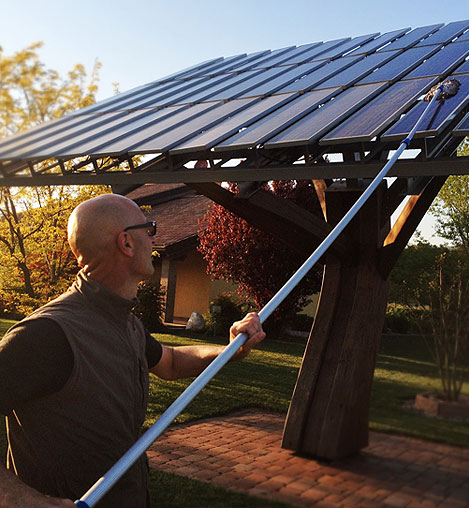
MightyWash uses very long extension rods for selected high-reach cleaning situations, including roof tiles and solar panels where the geometry and access make that approach safer and practical.

Do you use very long extension rods?

Yes. MightyWash uses very long extension rods for selected roof and solar-panel cleaning jobs where extra reach improves access from a safer position.

Can the rod be angled downward for roof surfaces?

Yes. In some cases the rod and nozzle orientation can be bent downward to follow the roof surface better.

Can that help reduce the need to stand directly on a roof?

Yes, in some situations.

Does access angle still matter?

Yes. Reach alone does not make every angle safe or effective.

Can high-reach cleaning still have limitations?

Yes. Height, overspray, safety, and surface fragility still matter.

Can roof and solar panel cleaning be done without standing on the roof?

Sometimes yes. The possibility depends on line of reach, height, obstacles, spray angle, and whether the work can still be done safely and effectively from the available position.

Can some roofs be cleaned from the ground or lower position?

Yes. Some roofs can be cleaned from the ground or a lower position when reach, line of access, and spray control remain workable.

Can some solar panels be reached from a lower level?

Yes. Some solar panel setups can be reached from a lower level when the panel height and access angle allow it.

Can obstacles make high-reach cleaning unsuitable?

Yes. Obstacles can make high-reach cleaning unsuitable if they block the spray path or make angle control too limited.

Can overspray risk limit whether this method is acceptable?

Yes. Overspray risk can limit whether the method is acceptable, especially near neighboring property, glass, pedestrians, or sensitive surfaces.

Can a different method or refusal still be necessary?

Yes. If high-reach cleaning still leaves too much risk or too little control, a different method or refusal may still be necessary.

Is roof tile cleaning safe for every roof?

No. Old, fragile, cracked, loose, or unstable roof tiles may make the work unsuitable or require a gentler or more limited approach.

Can aged roof tiles crack or shift more easily?

Yes. Aged roof tiles can crack or shift more easily because time, weather, and prior wear may already have weakened them.

Can hidden weakness become visible during cleaning?

Yes. Hidden weakness can become more visible once dirt and buildup are removed and the true surface condition is exposed.

Can poor access make an otherwise cleanable roof unsuitable?

Yes. Poor access can make an otherwise cleanable roof unsuitable if reach, angle, or spray control become too limited.

Can roof jobs be refused if risk is too high?

Yes. Roof jobs can be refused if access risk, material fragility, or surrounding conditions make safe cleaning unrealistic.

Can a lower-pressure or reduced-scope approach sometimes be used instead?

Yes. A lower-pressure or reduced-scope approach can sometimes be used when full cleaning would create too much risk for the material or site.

Is solar panel cleaning always suitable for pressure washing?

No. Solar panel cleaning suitability depends on access, mounting, angle, surrounding risk, and whether the method can be used carefully enough for that installation.

Does panel height matter?

Yes. Panel height matters because it affects reach, angle control, and whether the job can be handled safely from the available position.

Does surrounding overspray risk matter?

Yes. Surrounding overspray risk matters because nearby glass, people, cars, and surfaces can limit how the job should be approached.

Does the installation layout matter?

Yes. Installation layout matters because spacing, roof angle, obstacles, and reach all affect the cleaning method.

Can MightyWash decline a solar panel job if the setup is unsafe?

Yes. A solar panel job can be declined if the access, height, angle, or surrounding risk makes safe cleaning unrealistic.

Can some solar jobs still be possible with extension equipment?

Yes. Some solar panel jobs are still possible with extension equipment when the reach, angle, and surrounding conditions remain manageable.

Surface Safety, Fragile Materials, and Cleaning Risks
Is pressure washing safe for all surfaces?

No single pressure setting is safe for every surface. Concrete, tile, pavers, stone, painted materials, wood, roof tiles, masonry, and coated finishes all require different handling.

Do different materials need different pressure levels?

Yes. Different materials need different pressure levels because concrete, tile, paint, masonry, wood, and roof surfaces do not all react the same way.

Can one aggressive setting damage some surfaces?

Yes. One aggressive setting can damage delicate materials, strip weak coatings, or worsen already-fragile areas.

Can a surface need a gentler method instead of standard pressure washing?

Yes. Some surfaces need a gentler method because normal pressure washing would be too aggressive for their condition.

Can some surfaces be declined entirely if too fragile?

Yes. Some surfaces can be declined entirely if they appear too fragile, too unstable, or too deteriorated for safe cleaning.

Is method selection more important than just raw pressure power?

Yes. Good results depend more on matching the method to the surface than on using maximum pressure.

Can pressure washing reveal or worsen pre-existing damage?

Yes. Cleaning can reveal pre-existing cracks, spalling, weak grout, loose mortar, failing paint, unstable coatings, hidden repairs, or deteriorated concrete that were less visible before dirt was removed.

What types of pre-existing weakness are most relevant?

The most important issues are loose tile, weak grout, deteriorated concrete, unstable coatings, hidden cracks, prior repairs, and age-related material failure.

Can loose tile come off during cleaning?

Yes, if the tile was already loose or weakly bonded.

Is loose tile considered a pre-existing condition?

Yes. Loose tile is treated as a pre-existing condition because the bond was already weak before cleaning began.

Can dirt hide tile movement before cleaning starts?

Yes. Dirt, algae, and staining can hide slight movement or weak bonding until the surface is cleaned and easier to inspect.

Can careful work still expose a weak bond?

Yes. Even careful cleaning can expose a weak bond if the material was already unstable before washing began.

Can that happen even if the goal was only surface cleaning?

Yes. The goal may be only surface cleaning, but weak materials can still fail if that weakness already existed below the dirt.

Should the customer point out already-loose tile first?

Yes. Already-loose tile should be pointed out in advance because it is a major risk factor for cleaning.

Can weak grout or mortar fail during cleaning?

Yes. If grout or mortar is already unstable, cleaning can expose that weakness.

Is weak grout excluded from normal damage responsibility?

Yes, as a pre-existing weakness.

Can aged grout fail more easily than sound grout?

Yes. Aged grout usually fails more easily because time, moisture, and wear can weaken the joints.

Can dirt hide missing or weak joints before cleaning?

Yes. Dirt and staining can hide weak or missing joints until the surface is washed and easier to inspect.

Can the problem become clearer only after washing?

Yes. Some weakness only becomes obvious after washing removes the dirt that was hiding it.

Should old tile joints be treated with extra caution?

Yes. Older tile joints should be treated with extra caution because they are more likely to be weakened by age or moisture.

Can deteriorated concrete chip or spall?

Yes. Already weakened concrete can chip, flake, or reveal deeper damage when cleaned.

Is severe spalling a warning sign before work?

Yes. Severe spalling is a strong warning sign that the concrete may be too weak for normal cleaning.

Can deep cracks make the job unsuitable?

Yes. Deep cracks can make a surface too unstable or too unpredictable for safe cleaning.

Can age-related breakdown be mistaken for new damage?

Yes. Age-related breakdown can look new after cleaning simply because the dirt that was masking it is gone.

Can cleaning expose the true condition of neglected concrete?

Yes. Cleaning often reveals the true condition of neglected concrete once surface buildup no longer hides cracks or weakness.

Can some concrete jobs require refusal?

Yes. Some concrete jobs require refusal when deterioration, cracking, or instability makes the risk too high.

Can failing paint or coatings come off during cleaning?

Yes. Already-loose, chalking, peeling, or weakly bonded coatings can come off more during washing.

Is loose paint already considered unstable before cleaning?

Yes. Loose paint is already unstable before cleaning and may come off further during washing.

Can surface cleaning expose weak adhesion?

Yes. Surface cleaning can expose weak adhesion by removing the dirt that was masking failing paint or coatings.

Can this happen on old painted walls or trim?

Yes. Older painted walls and trim are especially likely to show weak adhesion or coating failure during cleaning.

Can coating failure be a reason to change method?

Yes. Coating failure can be a reason to change the method because standard washing may worsen an already failing finish.

Can a painted surface be declined if risk is too high?

Yes. A painted surface may be declined if the coating looks too unstable to clean safely.

Can prior repairs or hidden defects fail during cleaning?

Yes. Previous patchwork, hidden weak areas, and unstable repairs may not become obvious until washing begins.

Are hidden defects difficult to identify from photos alone?

Yes. Hidden defects are often difficult to identify from photos alone because dirt and surface staining can hide the real condition.

Can old glue, filler, or patch material fail under ordinary cleaning?

Yes. Old glue, filler, or patch material can fail during ordinary cleaning if that earlier repair was already weak, brittle, or poorly bonded.

Can repaired surfaces look stable until dirt is removed?

Yes. Repaired surfaces can look stable until the dirt is removed and the repair lines or weak areas become easier to see.

Are such failures treated as pre-existing conditions?

Yes. Those failures are treated as pre-existing conditions when the weakness was already present before cleaning started.

Should customers disclose known previous repairs in advance?

Yes. Known previous repairs should be disclosed in advance because they can change both the method and the risk level.

Can cleaning make hidden defects more visible even if no new damage was created?

Yes. Sometimes the cleaning simply reveals what was already there.

Is this why pre-checks and customer disclosure matter?

Yes. Pre-checks and customer disclosure matter because they help identify known weak materials, repairs, and risk points before cleaning starts.

Can an already weak area worsen even when the work is done carefully?

Yes. An already weak area can worsen even during careful cleaning because the weakness existed before the job.

Is that one reason some jobs are modified or refused?

Yes. That is one of the main reasons some jobs are modified, reduced in scope, or refused entirely.

Do you test a small area first when needed?

Yes. A test spot is often the safest way to judge how a fragile, old, coated, or uncertain surface reacts before full cleaning continues.

Is a test spot useful on fragile surfaces?

Yes. A test area is often one of the safest ways to judge how a surface will react before full cleaning.

Is a test spot useful on coated surfaces?

Yes. A test area is often one of the safest ways to judge how a surface will react before full cleaning.

Can it help judge stain response too?

Yes. A test area can help show whether the staining is likely to respond well before the full surface is cleaned.

Can the test lead to a method change?

Yes. A test can lead to a method change if the surface reacts poorly or the result is not safe enough to continue normally.

Can the test also show that the job is too risky?

Yes. A test can show that the surface is too fragile or unpredictable for safe full cleaning.

Can MightyWash refuse a job for safety reasons?

Yes. A job may be declined if the surface is too deteriorated, too fragile, too unsafe, or otherwise unsuitable for safe cleaning.

Can severe cracking be a reason to refuse?

Yes. Severe cracking can be enough reason to refuse if the material appears too unstable for safe washing.

Can unstable tile or grout be a reason to refuse?

Yes. Unstable tile or grout can be a reason to refuse when the risk of failure is already too high.

Can unsafe access be a reason to refuse?

Yes. Unsafe access can be a reason to refuse because site safety matters as much as cleaning ability.

Can special coatings or unknown materials be a reason to refuse?

Yes. Special coatings or unknown materials can justify refusal if the likely cleaning risk cannot be judged reliably.

Can MightyWash also reduce scope instead of refusing the whole job?

Yes. In some cases a partial or gentler scope is more appropriate.

What surfaces may need lower pressure, special care, or refusal?

Old roof tiles, loose tile and grout, deteriorated concrete, failing paint, fragile wood, weathered masonry, and unstable repaired surfaces are all examples of areas that may need caution, a different method, or refusal.

Can wood require extra caution?

Yes. Wood requires extra caution because pressure, grain direction, and surface sensitivity all matter.

Can painted surfaces require extra caution?

Yes. Painted surfaces require extra caution because weak or aging coatings can fail during cleaning.

Can roof tiles require extra caution?

Yes. Roof tiles require extra caution because older, cracked, loose, or weathered tiles can shift or break more easily during cleaning.

Can masonry and grout require extra caution?

Yes. Masonry and grout require extra caution because weak joints and age-related deterioration can create hidden risk.

Can previous repairs increase the risk level?

Yes. Previous repairs can increase the risk level because patched or reattached areas may not be as stable as they look.

Results, Stain Removal, and Realistic Expectations
Will all stains come out completely?

Not always. Exterior cleaning can create major visual improvement, but not every surface can be restored to a like-new finish.

Can a surface improve a lot without becoming like new?

Yes. A surface can improve a lot while still keeping some deep staining, wear, or age-related marks.

Can deep discoloration remain after cleaning?

Yes. Deep discoloration can remain if the stain has penetrated the material or altered it over time.

Can oil, rust, and mineral stains be especially difficult?

Yes. Oil, rust, and mineral stains are especially difficult because they often penetrate the material or chemically affect the surface rather than sitting only on top.

Can material type affect how much improvement is possible?

Yes. Material type affects improvement because porous concrete, dense tile, painted finishes, masonry, and natural stone all hold dirt and staining differently.

Is it honest to say some stains may remain visible?

Yes. It is more honest to say that some staining may remain visible when the contamination has set deeply or permanently changed the material.

Can you remove moss, mold, mildew, and algae?

Yes. These are among the most common reasons people request pressure washing, and they often respond well to the correct cleaning method.

Can algae on concrete usually improve well?

Yes. Algae on concrete usually improves well because it is often sitting on the surface rather than permanently embedded in the slab.

Can moss on stairs and tile often be reduced strongly?

Yes. Moss on stairs and tile often reduces strongly when the growth is surface-level and the material underneath is still sound.

Can moldy-looking exterior buildup often be cleaned effectively?

Yes. Moldy-looking exterior buildup can often be cleaned effectively when it is surface contamination rather than deep material deterioration.

Can organic growth come back later if the area stays damp and shaded?

Yes. Organic growth can return faster in damp, shaded areas where the surface stays favorable to regrowth.

Does recurring moisture affect how long the result lasts?

Yes. Recurring moisture affects how long the result lasts because damp, shaded conditions help organic growth return faster.

Can you remove oil stains and tire marks from concrete?

These are among the hardest issues to remove completely because oil and traffic staining can penetrate porous concrete over time.

Can oil soak into the slab deeply?

Yes. Oil can soak deep into a porous concrete slab, which is why severe oil staining is so difficult to remove fully.

Can a driveway still improve even if some oil shadow remains?

Yes. A driveway can still improve a lot even if some oil shadow remains after the deepest staining cannot be lifted out.

Can tire marks leave darker shadows after cleaning?

Yes. Tire marks can leave darker shadows because repeated traffic can stain or polish the surface unevenly over time.

Are old stains harder than fresh stains?

Yes. Older stains are harder because they have had more time to sink in, oxidize, or bond with the material.

Should customers expect improvement rather than perfection on severe oil staining?

Yes. On severe oil staining, customers should usually expect strong improvement rather than a perfect like-new result.

Can you remove rust, efflorescence, and mineral staining?

These stains can be reduced in some cases, but they are often harder than ordinary dirt because the staining may be tied to the chemistry of the material itself.

Is efflorescence different from ordinary dirt?

Yes. Efflorescence is different from ordinary dirt because it comes from salts moving through the material rather than simple surface grime.

Can rust staining be difficult to fully eliminate?

Yes. Rust staining can be difficult to eliminate fully because it often penetrates or chemically discolors the surface.

Can mineral staining sit inside the surface rather than just on top?

Yes. Mineral staining can sit inside the surface rather than only on top, especially in porous materials.

Can pressure washing improve these stains without removing them fully?

Yes. Pressure washing can improve these stains without fully removing them when the discoloration has already affected the material itself.

Should expectations for these stains be conservative?

Yes. Expectations for these stains should be conservative because full removal is often less predictable than with ordinary dirt.

Can pressure washing remove graffiti or loose paint?

Sometimes it can improve those issues, but results depend on the material, paint type, age of the mark, and condition of the surface underneath.

Can graffiti leave ghosting behind?

Yes. Graffiti can leave ghosting behind when pigment has already penetrated into a porous or textured surface.

Can already-loose paint come off more during cleaning?

Yes. Already-loose paint can come off more during cleaning because the coating was already failing before the washing started.

Can masonry hold residual pigment even after cleaning?

Yes. Masonry can hold residual pigment because porous surfaces may absorb color below the outer layer.

Does surface porosity affect results?

Yes. Surface porosity affects results because more porous materials can hold dirt, oil, or pigment deeper below the surface.

Should severe graffiti or paint issues be discussed with realistic expectations first?

Yes. Severe graffiti or paint issues should be discussed with realistic expectations first because full removal is not always possible.

Site Preparation, Protection, Runoff, and Neighbor Considerations
What should I move before the appointment?

Move portable items out of the work area when possible, such as vehicles, mats, planters, small decor, and anything else sitting on or near the cleaning zone.

Should vehicles be moved off the surface being cleaned?

Yes. In general, moving cars away from the target area is strongly recommended.

Should mats and loose items be moved?

Yes. Moving mats and loose items helps reduce obstruction, splash exposure, and unnecessary mess during cleaning.

Should planters or decorative pieces be moved if possible?

Yes. Moving planters or decorative pieces helps protect them and gives the work area more room.

Should the customer also point out fragile areas that cannot be moved?

Yes. Fragile areas that cannot be moved should be pointed out so the cleaning method and protection plan can be adjusted.

Does site preparation help reduce overspray and obstruction issues?

Yes. Good site preparation reduces overspray problems, hose obstruction, and avoidable splash onto nearby items.

How do you protect pedestrians, nearby people, and neighboring property?

MightyWash uses practical site protection measures such as portable tarp-fencing, splash control, and work-area management where appropriate to reduce risk to nearby pedestrians, cars, and surrounding property.

Do you use portable tarp-fencing?

Yes. Portable tarp-fencing can be used where splash control or pedestrian protection makes it useful.

Can barriers help protect passing pedestrians?

Yes. Barriers can help protect passing pedestrians by reducing splash exposure and creating a clearer work boundary.

Can barriers help protect nearby cars?

Yes. Barriers can help reduce splash and loosened dirt reaching nearby vehicles.

Do public-facing or shared-access jobs need more protection planning?

Yes. Public-facing or shared-access jobs usually need more protection planning because more people and property are exposed to splash and runoff.

Can protection needs affect setup and scope?

Yes. Extra protection needs can affect setup time, runoff planning, and even the final scope of the job.

How do you manage runoff water?

MightyWash checks how the water is likely to flow and, where practical, uses sandbags or tube-style runoff guides to direct water toward drainage.

Do you always try to understand the drainage path first?

Yes. Understanding the drainage path first helps plan runoff direction and avoid unnecessary mess.

Do you use sandbags or tubes to guide runoff when appropriate?

Yes. Sandbags or tube-style guides can be used when they help direct runoff more cleanly toward drainage.

Can some sites make perfect runoff control difficult?

Yes. Some sites make perfect runoff control difficult because slope, access, and drainage layout are not always ideal.

Can runoff planning depend on slope and drain location?

Yes. Slope and drain location strongly affect where the water and loosened dirt are likely to travel.

Can the customer point out drainage-sensitive areas in advance?

Yes. Pointing out drainage-sensitive areas in advance helps with planning and site protection.

Can some dirt or runoff move outside the immediate work area?

Sometimes yes. Fine residue or runoff traces can occasionally move outside the exact cleaning line, depending on slope, drainage, and site conditions.

Can light residue remain temporarily after the job?

Yes. Light residue can sometimes remain temporarily, especially where runoff carries loosened dirt beyond the main cleaning area.

Can the first rain often clear minor remaining dirt traces?

Yes, in many cases.

Does site slope affect where runoff goes?

Yes. Site slope affects where runoff goes because water naturally follows the grade of the property.

Does this mean runoff should still be planned carefully?

Yes. Runoff should still be planned carefully so loosened dirt and water move in the most controlled way possible.

Should the customer point out any especially sensitive runoff zones before work?

Yes. Sensitive runoff zones should be identified beforehand so the job can be planned more carefully.

How do you protect plants, delicate surroundings, and nearby surfaces?

Nearby plants, decorative items, painted surfaces, drains, weak edges, neighboring cars, and splash-risk zones should all be considered before cleaning begins.

Should customers point out delicate landscaping?

Yes. Delicate landscaping should be pointed out in advance so runoff, splash, and movement around the work area can be planned better.

Should painted or weak surfaces be pointed out in advance?

Yes. Painted or weak surfaces should be pointed out early because they can change both the method and the risk level.

Should the customer mention neighboring cars or pedestrian routes?

Yes. Neighboring cars and pedestrian routes should be mentioned early because they may affect barrier placement and splash control.

Can runoff-sensitive drains or edges affect the method?

Yes. Runoff-sensitive drains or edges can affect the method because they change how carefully the water flow needs to be managed.

Does good pre-job communication reduce protection problems?

Yes. Good pre-job communication reduces protection problems because site risks can be identified before work begins.

Damage Reporting, Documentation, and Liability
Do you take before and after photos?

Yes. MightyWash takes before-and-after photos during the cleaning process for record keeping, condition reference, and issue review if questions arise later.

Are the photos used to document the pre-cleaning condition?

Yes. The before photos are part of the condition record and help show what was already present before work began.

Are the photos used to document the result after cleaning?

Yes. The after photos help record what the cleaned surface looked like at completion.

Do the photos help review concerns objectively later?

Yes. Photos give a more objective basis for reviewing later questions about results or condition.

Do the photos help protect both the customer and MightyWash?

Yes. The photo record helps protect both sides by showing pre-cleaning condition and final result more clearly.

Can photos help show whether weakness was already present before washing?

Yes. Photo records can help show whether cracking, looseness, or other weakness was already present before washing started.

What should a customer do if they notice a concern after the work is done?

Any concern should be reported promptly after the job so the condition can be reviewed while the site conditions are still fresh.

How soon should a concern be reported?

The reporting window should be within 24 hours after completion.

Why is 24 hours the recommended reporting window?

Because the area is usually easier to review accurately once it has dried on the same day or by the next day.

Does drying help make the final condition easier to judge?

Yes. Drying helps because the final surface appearance is easier to judge once standing water is gone.

Can a next-day dry inspection show details more clearly?

Yes. A next-day dry inspection can show details more clearly because moisture is no longer masking the final appearance.

Does waiting too long make review harder?

Yes. Waiting too long makes review harder because weather, traffic, and new dirt can change the surface again.

Can weather or traffic change the area quickly after service?

Yes. Weather and foot or vehicle traffic can change the area quickly after service, especially outdoors.

Is prompt reporting better for both customer and company?

Yes. Prompt reporting helps both sides because the condition can be reviewed while it is still fresh and easier to compare.

Can same-day reporting also be appropriate?

Yes. Same-day reporting is welcome if the customer notices something that should be reviewed right away.

Can next-day review still fit the 24-hour window?

Yes. A next-day review can still fit the 24-hour window and is often useful once the area has fully dried.

Should the customer send photos when reporting a concern?

Yes. Clear photos help identify the exact concern and make follow-up review easier.

Should the customer describe the exact area and concern clearly?

Yes. Clear location and surface details make it much easier to review the issue fairly.

Can before-and-after job photos help review the concern?

Yes. Before-and-after records help compare the surface condition more accurately when a concern is raised.

Can prompt communication reduce misunderstandings?

Yes. Prompt communication makes it easier to review the condition before weather, traffic, or new dirt changes the area.

Should the customer identify the exact surface and location?

Yes. Identifying the exact surface and location helps avoid confusion and speeds up review.

Can delayed reports be harder to evaluate fairly?

Yes. Delayed reports are harder to evaluate because conditions may already have changed after the job.

What conditions are excluded from responsibility?

Pre-existing cracks, hidden weakness, unstable repairs, loose tile, weak grout, failing paint, deep deterioration, normal wear, loose coatings, and age-related material failure are excluded from normal responsibility because those conditions can break, separate, or become visible during cleaning even when the work is done carefully.

Is loose tile considered a pre-existing condition?

Yes. Loose tile is treated as a pre-existing condition because the bond was already weak before cleaning began.

Is weak grout or mortar considered a pre-existing condition?

Yes. Weak grout or mortar is treated as pre-existing deterioration rather than new damage caused by ordinary cleaning.

Are hidden defects excluded?

Yes. Hidden defects are excluded because they are not always discoverable before the surface is cleaned.

Are prior unstable repairs excluded?

Yes. Unstable older repairs are excluded because cleaning can reveal or expose repair failure that already existed.

Is age-related deterioration excluded?

Yes. Age-related deterioration is excluded because ordinary cleaning can reveal weakness that developed over time before the job.
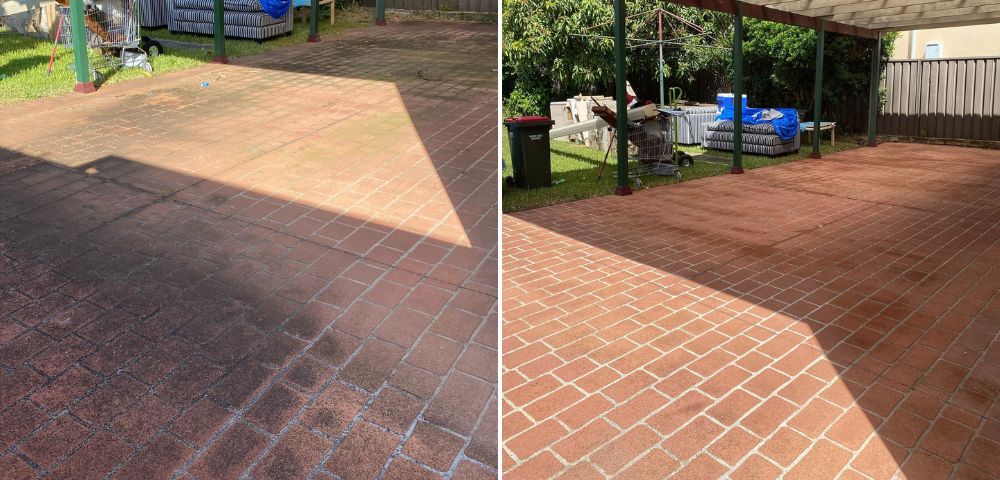
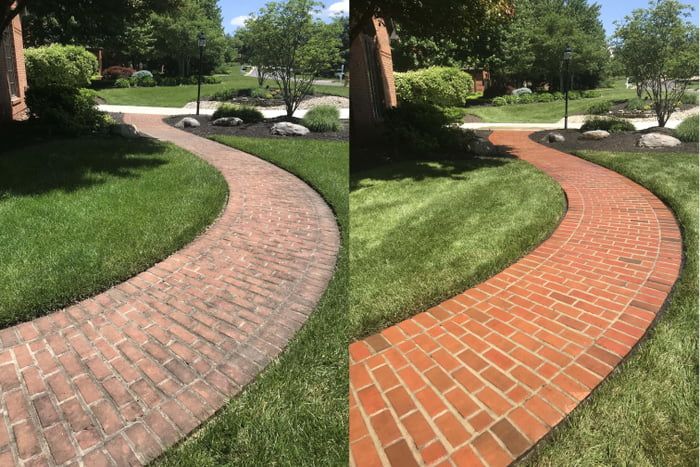
What is MightyWash responsible for?

MightyWash will review concerns involving proven company negligence, but that is different from pre-existing weakness, hidden defects, unstable repairs, or age-related failure that cleaning may reveal.
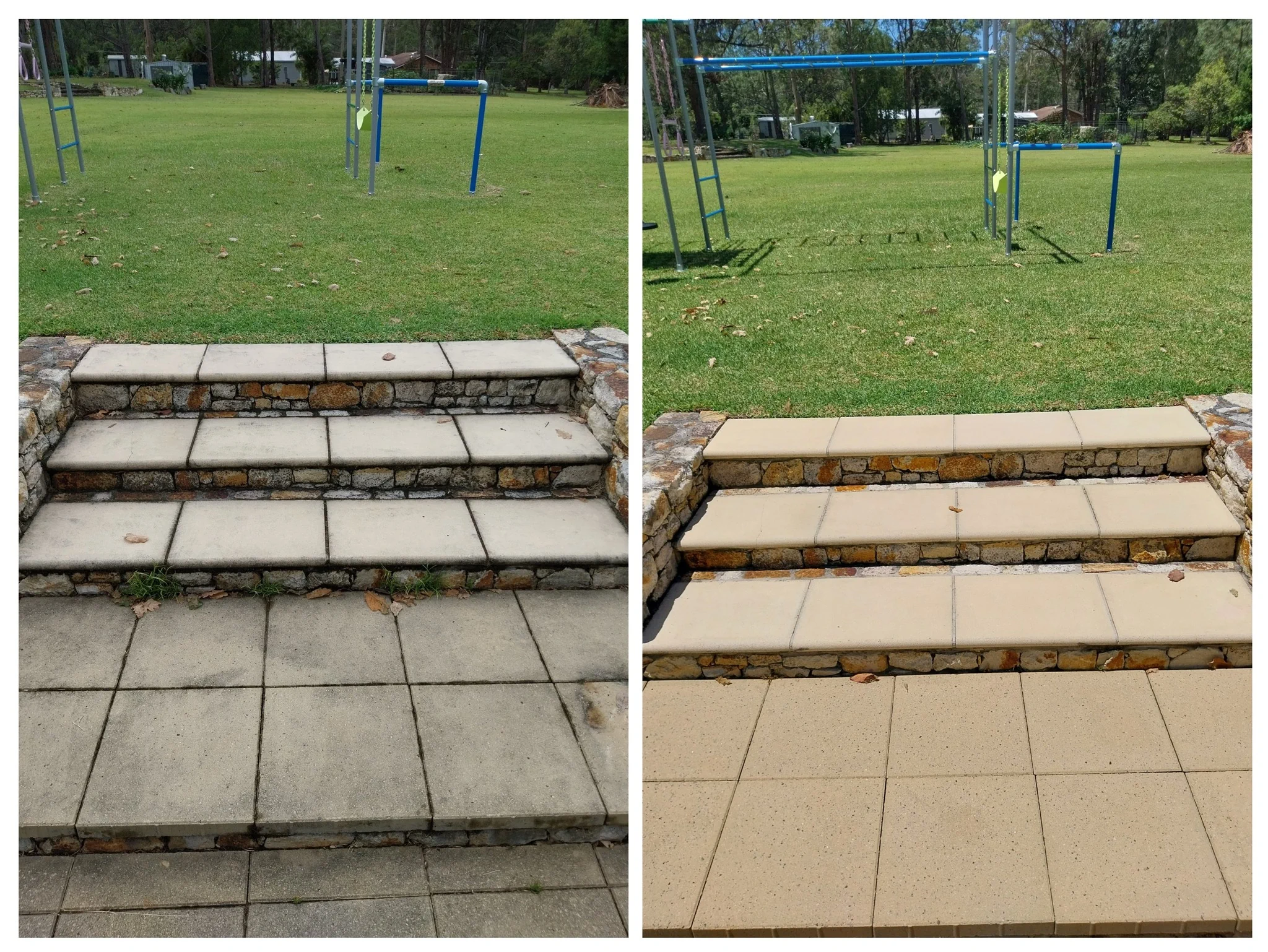
Does MightyWash work carefully and adjust method to reduce risk?

Yes. MightyWash adjusts pressure, distance, angle, and tool choice to reduce unnecessary risk wherever possible.

Does careful work eliminate all risk on weak surfaces?

No. That is not assumed to be safe or stable without condition review first.

Is a proven negligence issue different from a hidden defect becoming visible?

Yes. A hidden defect becoming visible is different from proven damage caused directly by negligent cleaning.

Will before-and-after records help review that difference?

Yes. The photo record helps compare pre-existing condition with the post-cleaning result more clearly.

Can fragile surfaces still require refusal to avoid unacceptable risk?

Yes. Some fragile surfaces are still too risky even after method adjustments and may need to be refused.

What if a tile or cement piece comes loose during cleaning?

If a loose tile or cement piece comes off during cleaning, and if the condition allows, MightyWash may sometimes return after the area has dried to reapply the piece with silicone or adhesive as a practical courtesy measure.

Is that possible on every job?

No. That is not the default on every job and depends on the surface and conditions.

Does the area usually need to dry first before reattachment?

Yes. Reattachment usually makes more sense after the area has had time to dry properly.

Is that a courtesy effort rather than a blanket repair guarantee?

Yes. Any reattachment effort is a practical courtesy and not a blanket promise to perform repair work.

Can some broken or unstable pieces be unsuitable for reattachment?

Yes. Some pieces are too damaged, too weak, or too unstable to reattach reliably.

Does this only make sense when the piece and surface condition still allow it?

Yes. Reattachment only makes sense when both the piece and the surrounding surface are still suitable for it.

Pre-Paint Cleaning
Can you clean exterior surfaces before painting?

Yes. MightyWash can provide pre-wash cleaning before exterior painting or other coating work is performed.

Can pre-wash cleaning remove dirt and contamination before painting?

Yes. Pre-wash cleaning can remove dirt, buildup, and surface contamination that would otherwise interfere with later painting work.

Can it help prepare the surface for later finishing work?

Yes. Cleaning can improve the surface condition before later finishing or coating work begins.

Can cleaning reveal weak paint or unstable material before painting begins?

Yes. Cleaning can reveal weak coatings or unstable areas that should be addressed before painting starts.

Is pre-paint cleaning often more about preparation than cosmetic perfection?

Yes. Pre-paint cleaning is mainly about surface preparation, not promising a decorative final finish by itself.

Can pre-paint work be discussed as a separate scope?

Yes. Pre-paint cleaning can be discussed as its own scope even if painting is handled separately later.

How long should a surface dry before painting?

That depends on weather, temperature, airflow, material type, and how much water the surface absorbs.

Does concrete dry differently from tile or painted surfaces?

Yes. Different materials absorb and release water differently, so drying time can vary a lot.

Does weather affect the drying schedule?

Yes. Temperature, airflow, sunlight, and humidity all affect how fast the surface dries.

Can porous materials take longer to dry?

Yes. More porous materials can hold moisture longer and may need extra drying time.

Can the safest timing be discussed case by case?

Yes. That decision is handled case by case based on the surface, the condition, and the job requirements.

Is full drying important before coating work starts?

Yes. Proper drying matters because coating work should not begin while moisture is still trapped in the surface.

Can MightyWash also help with painting?

Painting-related help can be discussed, but that is handled only by separate negotiation and case-by-case agreement rather than as a standard included service.

Is painting automatically included with cleaning?

No. Cleaning and painting are treated as separate scopes unless something different is specifically negotiated.

Can painting support be discussed as a separate scope?

Yes. Painting-related support can be discussed separately when the job and timing make sense.

Does that depend on the job type and timing?

Yes. That depends on the job type, the schedule, and whether the related scope can be handled realistically.

Is cleaning still treated as its own service even when painting is discussed later?

Yes. Exterior cleaning remains its own service even if painting is later discussed as a separate step.

Should customers raise painting-related goals early in the quote process?

Yes. Mentioning painting goals early helps shape the cleaning scope and timing more realistically.

Commercial Jobs
Do you handle commercial and facility cleaning?

Yes. MightyWash can quote selected commercial and facility cleaning work where the property type, access, utilities, drainage, timing, and surrounding risk all make the job practical. This can include customer entrances, apartment common areas, shared stairs, common walkways, small parking areas, exterior perimeter surfaces, and selected pre-paint or presentation-focused exterior cleaning.

Can you clean storefront entrances and customer-facing approach areas?

Yes. Storefront entrances, entry slabs, tile approaches, front steps, and exterior customer-facing hard surfaces are all practical commercial cleaning targets when access and pedestrian protection can be managed properly.

Can you clean entry concrete and parking-pad style entrance areas?

Yes. Entry concrete and parking-pad style entrance surfaces can be cleaned when the access and runoff conditions are suitable.

Can you clean entrance tiles and front steps?

Yes. Entrance tiles and front steps are common commercial and residential cleaning targets.

Can you clean approach walkways leading to shops or offices?

Yes. Approach walkways can be included when the path can be cleaned safely and without causing unreasonable disruption.

Can these jobs be useful before inspections, openings, or busy customer periods?

Yes. Exterior cleaning is often most valuable right before periods when presentation matters more than usual.

Can timing be adjusted where customer foot traffic is important?

Yes. Timing can often be discussed so the work causes less disruption during busy customer periods.

Can you clean apartment and building common areas?

Yes. MightyWash can quote shared exterior-use areas such as common stairs, shared approaches, open-air corridors, entrance landings, and other hard surfaces used by residents, visitors, or staff.

Can you clean common stairs?

Yes. Common stairs can be included where the material condition and pedestrian-management needs are workable.

Can you clean shared walkways and approach paths?

Yes. Shared walkways and approach paths are normal types of common-area exterior cleaning work.

Can you clean open-air corridor surfaces where water use is suitable?

Yes. Open-air corridor surfaces can be included when water use, drainage, and pedestrian control make the work suitable.

Can you clean entrance landings and building-access hard surfaces?

Yes. Entrance landings and building-access hard surfaces can be included where runoff and foot traffic can be managed.

Can common-area jobs be quoted for one-time cleanup or general upkeep?

Yes. Common-area work can be quoted as either a one-time reset job or a more routine upkeep discussion.

Can you clean commercial parking areas and access surfaces?

Yes. Small to mid-size commercial parking surfaces, access lanes, entrance pads, and surrounding concrete areas can be included where scope, drainage, and traffic conditions make the work practical.

Can you clean small shop parking areas?

Yes. Small commercial parking areas are within scope when the area size, drainage, and access are reasonable.

Can you clean apartment parking pads and shared access concrete?

Yes. Shared apartment parking pads and access concrete can be discussed where the traffic and site conditions are manageable.

Can you clean entrance lanes and delivery-access style concrete surfaces?

Yes. Those kinds of concrete access surfaces can be discussed when the traffic pattern, area size, and drainage are manageable.

Can oil, tire marks, blackening, and general buildup be discussed for these jobs?

Yes. Those common parking-surface issues can be discussed, although the final result still depends on the material and how deeply the staining has set in.

Are larger or more traffic-heavy parking jobs usually custom quoted?

Yes. Heavier-use parking jobs are usually handled through a more custom quote and planning process.

Can you clean exterior structures and perimeter areas around facilities?

Yes. Exterior structure cleaning can include block walls, fence lines, side approaches, curbs, paved edges, and other surrounding surfaces that affect presentation and maintenance.

Can you clean block walls and fence-adjacent surfaces?

Yes. Block walls and fence-adjacent hard surfaces can be included where the material condition and surrounding area make cleaning practical.

Can you clean perimeter concrete or paved edge areas?

Yes. Perimeter concrete and paved edge areas can be part of a broader exterior-structure cleaning scope.

Can you clean approach surfaces that frame the property entrance?

Yes. Those approach surfaces can be included when they contribute to the main entrance presentation and are practical to wash.

Can exterior-structure cleaning be useful for overall site presentation?

Yes. Exterior-structure cleaning often improves how the whole property reads from the street or entrance.

Does this kind of work still depend on access and runoff practicality?

Yes. Exterior-structure cleaning still depends on whether water flow, access, and surrounding risk can be managed properly.

Can you coordinate jobs where pedestrians, tenants, or customers are nearby?

Yes, where practical protection and timing can be arranged. Public-facing jobs usually need more attention to pedestrian flow, splash risk, runoff direction, and temporary work-area control.

Can portable tarp-fencing be used in these settings?

Yes. Portable tarp-fencing can be used where splash control or pedestrian protection makes it useful.

Can runoff planning matter more on public-facing sites?

Yes. Public-facing sites often need more careful runoff planning because more people, cars, and surrounding surfaces are exposed.

Can commercial timing be arranged to reduce disruption?

Yes. Commercial jobs can often be timed around lower-traffic periods when that is practical for the site.

Can nearby parked vehicles or storefront glass affect setup planning?

Yes. Nearby vehicles, glazing, and customer-facing surfaces can all increase splash-control and protection needs.

Can some public-facing jobs still be declined if safe control is not practical?

Yes. If the area cannot be controlled safely enough for pedestrians, customers, or nearby property, the job may need to be declined.

What types of commercial properties can MightyWash include?

Commercial work can include storefronts, low-rise mixed-use properties, apartment common areas, office-access exteriors, small facilities, and other properties where exterior cleaning can be carried out safely with practical water, power, runoff, and pedestrian control.

Can storefronts be included?

Yes. Storefronts can be included when the exterior cleaning scope is accessible and pedestrian risk can be controlled properly.

Can apartment and residential common-use exteriors be included?

Yes. Apartment and shared-use exterior surfaces can be included when the access, utilities, and common-area conditions make the work practical.

Can office-access exterior surfaces be included?

Yes. Office-access exterior surfaces can be included when the site conditions and surrounding foot traffic allow safe cleaning.

Can selected facility entrances and approach areas be included?

Yes. Selected facility entrances and approach areas can be included when the site is accessible and the work can be managed safely.

Are large industrial or municipal-style jobs automatically included?

No. Very large or highly specialized jobs need separate review.

Can commercial work include pre-paint washing or presentation-focused cleaning?

Yes. MightyWash can discuss pre-paint exterior washing, pre-opening cleanup, tenant-turnover presentation cleaning, and other appearance-focused exterior work where the scope fits normal site conditions and capabilities.

Can you clean exterior surfaces before repainting a commercial property?

Yes. Commercial exterior surfaces can be cleaned before repainting when the site and material conditions make that preparation useful.

Can you do one-time presentation cleanup before visits or inspections?

Yes. One-time presentation-focused cleanup can be discussed for inspections, openings, visits, or other appearance-sensitive situations.

Can you help reset exterior surfaces before reopening or tenant handover?

Yes. That kind of reset cleaning can be discussed in selected cases when the scope fits normal MightyWash capabilities.

Can these jobs still be handled as custom quote work?

Yes. Those jobs are still usually handled as custom quote work because site conditions vary too much for one fixed package.

Can painting itself remain a separate negotiated scope?

Yes. Painting itself remains a separate negotiated scope even when pre-cleaning is part of the discussion.

Can recurring maintenance or repeat commercial cleaning be discussed?

Yes. While each property needs its own scope review, repeat or periodic exterior cleaning can be discussed for entrances, stairs, parking areas, and other shared-use surfaces that benefit from regular upkeep.

Can repeat entrance cleaning be discussed?

Yes. Repeat entrance cleaning can be discussed for properties that want more regular exterior upkeep.

Can repeat stair and shared-path cleaning be discussed?

Yes. Repeat cleaning for shared stairs and access paths can be discussed where ongoing maintenance makes sense.

Can parking and access-surface upkeep be discussed?

Yes. Repeat parking and access-surface cleaning can be discussed as part of a broader maintenance plan.

Does recurring work still depend on site practicality and scope?

Yes. Recurring work still depends on whether access, utilities, runoff control, and property conditions make repeat cleaning practical.

Are repeat jobs still custom planned rather than treated as one generic package?

Yes. Repeat jobs are still custom planned because each property has different access, risk, and maintenance priorities.

How are commercial jobs quoted?

Commercial work is usually quoted from photos, site details, access, area size, pedestrian or tenant conditions, and the level of risk or protection planning required.

Are commercial jobs usually custom quoted?

Yes. Commercial jobs are usually custom quoted because site size, access, runoff, pedestrian flow, and protection needs vary too much for one fixed package.

Does area size affect the quote?

Yes. Area size is one of the main factors in how commercial cleaning work is quoted.

Do access and drainage affect the quote?

Yes. Access and drainage affect the quote because they change setup time, runoff planning, and the practical cleaning method.

Do public-facing conditions and pedestrian flow affect the quote?

Yes. Public-facing conditions and pedestrian flow affect the quote because they can increase protection needs, timing limits, and work-area control requirements.

Can photos still be the first step for a commercial inquiry?

Yes. Photos are still the best first step for many commercial inquiries because they help define the likely scope quickly.

Contact MightyWash

Tell us about your project and upload photos for a faster quote.

Services Needed

Select every service type you want quoted. You can choose more than one.

Upload Photos (Optional)

Upload up to 20 photos to help us understand your project better.

Accepted: JPG, PNG, WEBP, GIF • Max 10MB per file

On desktop, you can also drag and drop images into this area.

Back to Top
✉️Email 📝Online Quote